Description
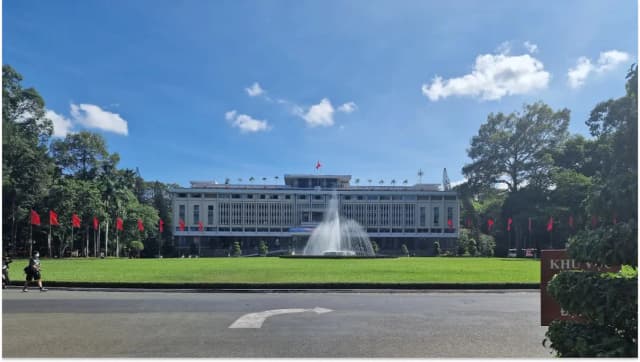
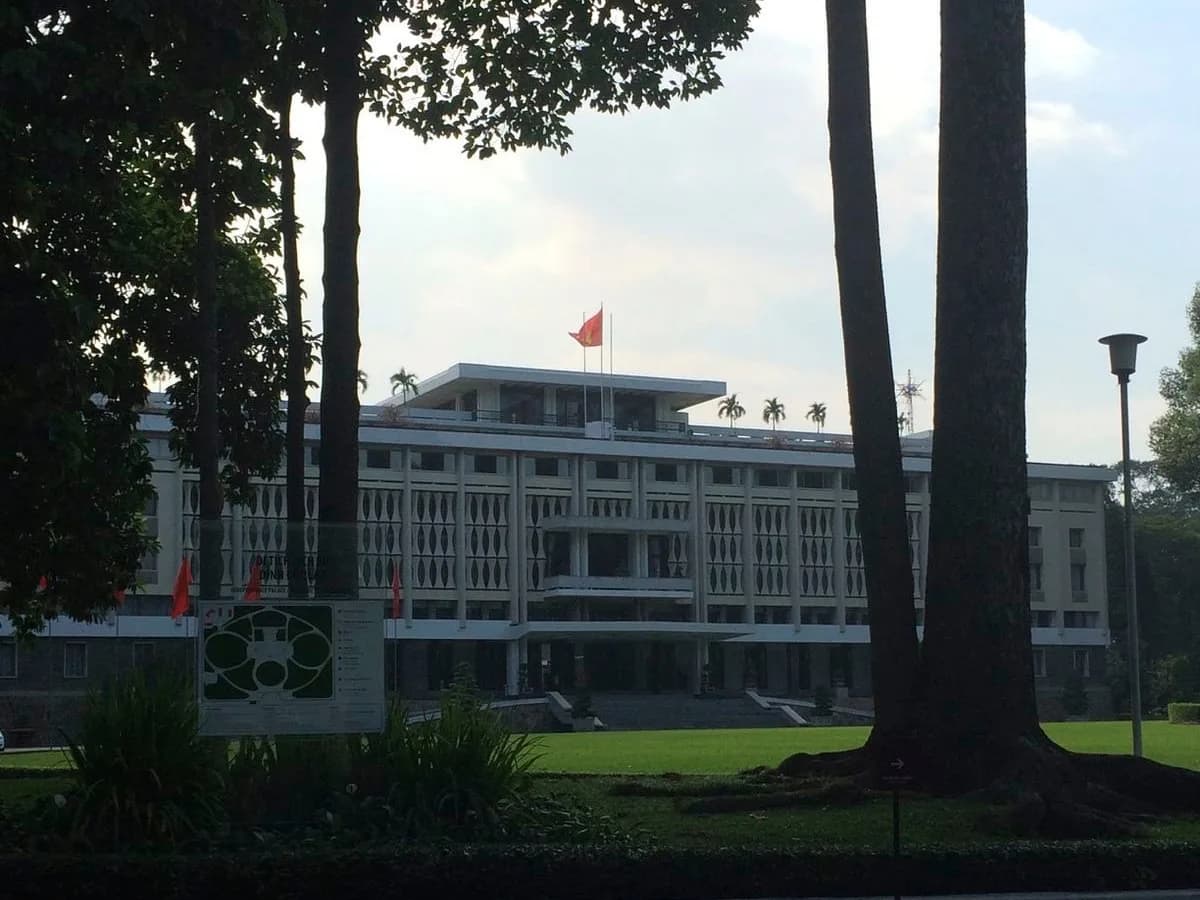
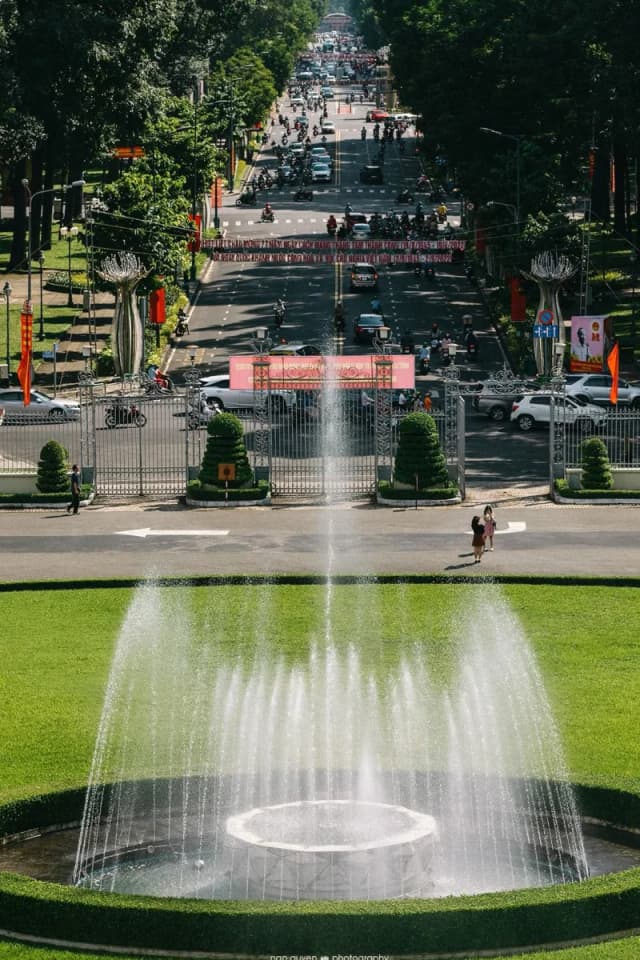
The Independence Palace, also known as the Reunification Palace, is one of Ho Chi Minh City’s most historically significant landmarks. Built on the site of the former Norodom Palace, it served as the presidential home and workplace during the Vietnam War.
Designed by architect Ngô Viết Thụ, a graduate of the École des Beaux-Arts in Paris, the building’s design represents modern Vietnamese architecture blended with traditional Eastern philosophy.
The Palace became a powerful symbol of Vietnam’s reunification when a North Vietnamese tank crashed through its gates on April 30, 1975, marking the end of the war. Today, it stands as both a museum and a reminder of Vietnam’s journey toward peace and unity.
Highlights
- 🏛️ Historical Landmark: The site where the Vietnam War officially ended, symbolizing national reunification.
- 🎨 Unique Architecture: A perfect blend of modernist design and traditional Feng Shui principles.
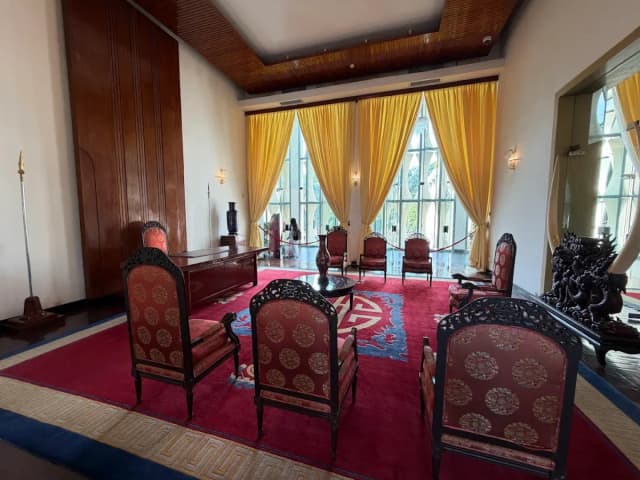
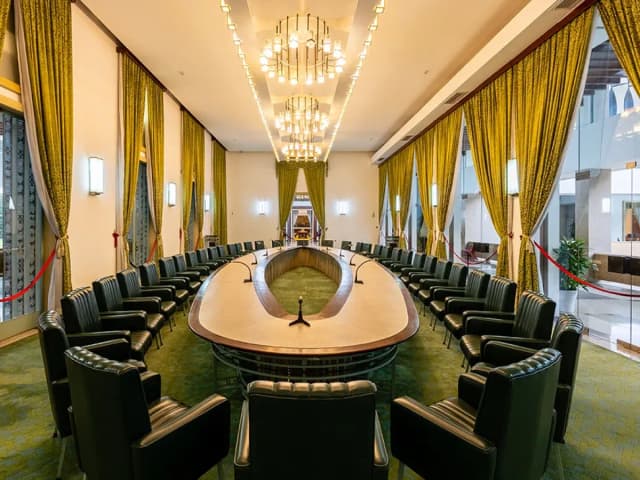
- 🕰️ Presidential Office & War Rooms: Visitors can explore the President’s office, conference halls, bunkers, and the iconic war command room.
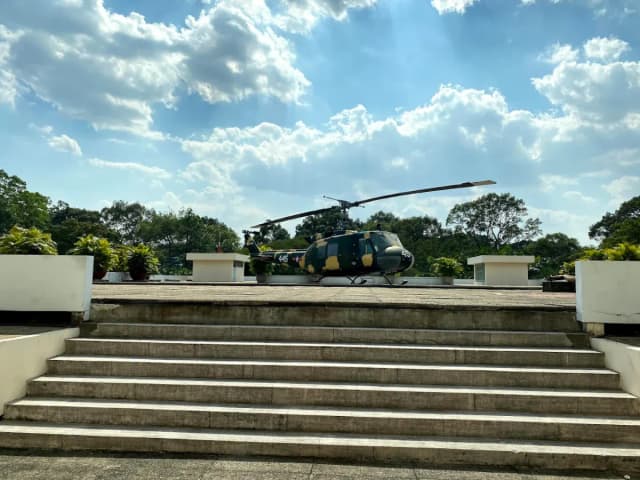
- 🚁 Rooftop Helicopter Pad: Used by the South Vietnamese president during emergencies, now open for viewing.
- 📷 Well-Preserved Interiors: Original furniture, communications equipment, and artifacts from the 1960s remain intact.
- 🌿 Peaceful Gardens: Beautifully landscaped grounds with tropical trees and ponds surrounding the palace.
Pictures
Top Activities & Experiences
Guided Palace Tour
Learn about the building’s history and its role during the Vietnam War from expert local guides.
Explore the War Command Bunker
Visit the underground communication rooms used during wartime operations.
Photography Session
Capture the symmetry and grandeur of the Palace’s modernist architecture.
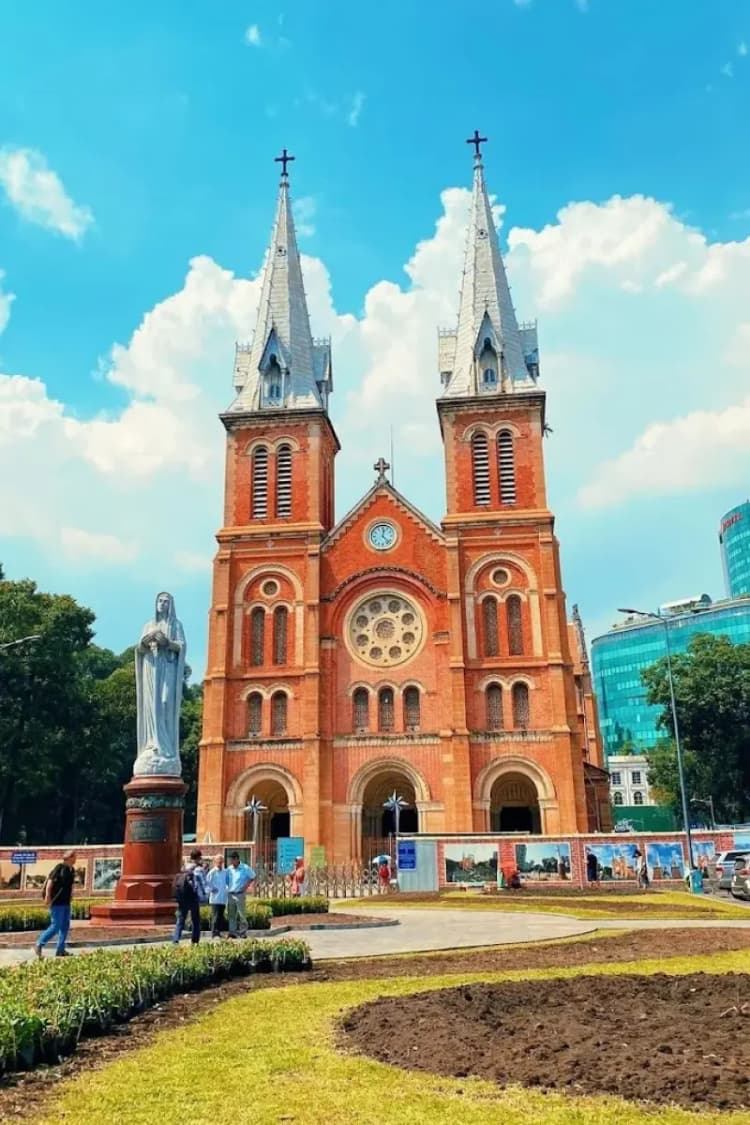
Visit the Nearby Notre-Dame Cathedral & Central Post Office
Explore other French colonial landmarks within walking distance.