Cao Bang Geopark: UNESCO Global Geopark & Ethnic Minority Culture
My journey to Cao Bang, a remote mountainous province in Northern Vietnam, led me to one of the country’s most extraordinary places — the Cao Bang UNESCO Global Geopark. Here, majestic landscapes blend seamlessly with vibrant ethnic cultures, creating a destination that feels both ancient and alive.
As my car wound along mountain passes surrounded by limestone cliffs, lush forests, and winding rivers, I breathed in the crisp mountain air. The untouched scenery hinted that this was no ordinary trip — it was an adventure into Vietnam’s wild and authentic heart.
1. Marveling at Geological Wonders
Discover Ban Gioc Waterfall – Southeast Asia’s Largest Waterfall >>
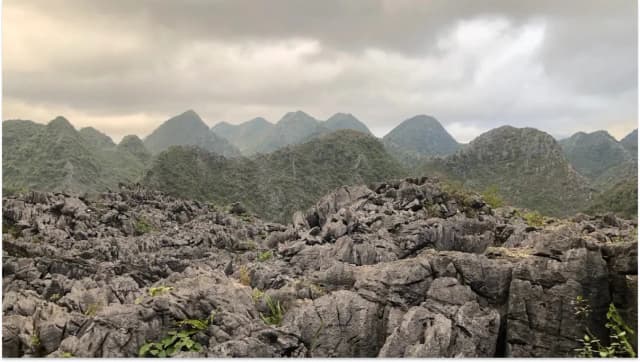
Cao Bang is a living museum of Earth’s history, featuring towering limestone karsts, cascading waterfalls, winding rivers, and hidden caves. Walking among million-year-old rock formations, I felt like I was reading nature’s textbook — one written in stone rather than ink.
✨ Special Moment: Standing before the roaring Ban Gioc Waterfall, one of the largest in Southeast Asia, I felt both humbled and exhilarated by its power and beauty.
✨ Travel Tip: Wear sturdy trekking shoes and bring a raincoat — the mist near waterfalls and streams can make the trails slippery.
2. Immersing in Ethnic Minority Culture
Beyond the dramatic landscapes, Cao Bang is home to the Tay, Nung, and H’Mong communities, who preserve their traditions, festivals, and crafts with quiet pride. Visiting their stilt houses, I watched families weaving colorful brocade fabrics, harvesting rice on terraced fields, and preparing traditional meals over open fires.
✨ Special Moment: Sitting inside a Tay family’s wooden stilt house, sipping homemade corn wine and enjoying sticky rice and five-colored xôi, while listening to local legends told by the firelight — it felt like time had stopped.
✨ Cultural Tip: Always ask for permission before taking photos, and show respect to local customs and traditions.
3. Breathtaking Natural Landscapes
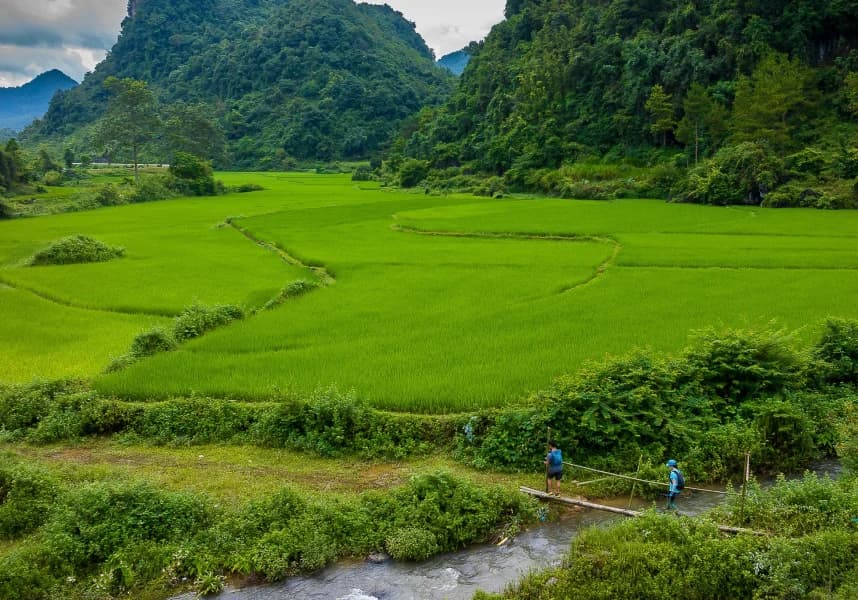
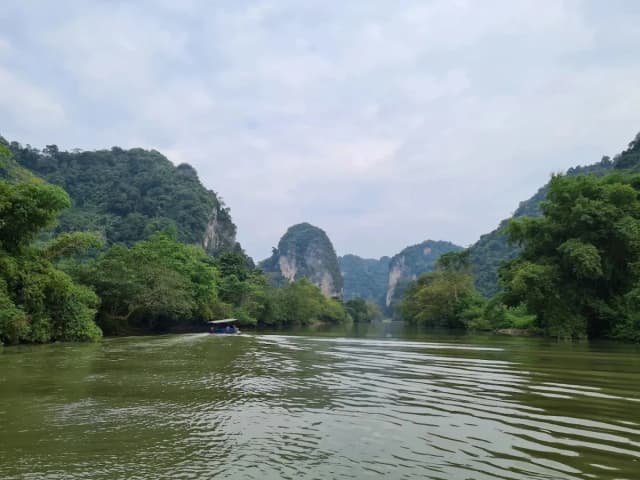
From limestone valleys to pristine rivers and forests, Cao Bang’s scenery changes with every turn. I walked along the Quay Son River, where jade-green water reflects terraced fields and wildflowers. Birds called from the forest canopy, and the rhythm of village life moved slowly, peacefully.
✨ Special Moment: Watching the sunset paint the limestone cliffs in warm golden hues — it was like watching a living watercolor.
✨ Travel Tip: Spend at least 2–3 days exploring the geopark, ethnic villages, and trails. Rushing through would mean missing the quiet details that make this place unforgettable.
4. Activities & Experiences
Trek through limestone mountains and pristine forests.
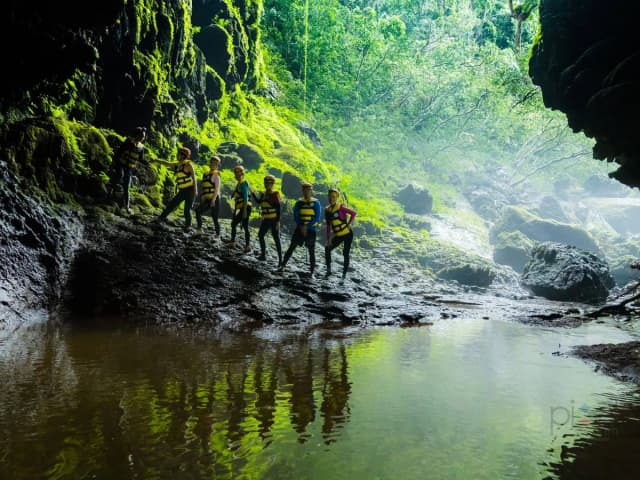
Visit Ban Gioc Waterfall and Nguom Ngao Cave, a breathtaking natural limestone cave.
Join cultural exchanges: learn traditional weaving, local dances, and ethnic cuisine.
Capture photos of mountains, rivers, waterfalls, and native wildlife.
✨ Photography Tip: Bring a wide-angle camera, headlamp, hat, and water. Morning or late afternoon offers the best natural light for landscape shots.
✨ Essential Tips for Exploring Cao Bang Geopark
Best Time to Visit: September–November, when the terraces glow golden and the forests are at their most vibrant.
Recommended: Join a guided tour to better understand the geological history and local culture.
Packing List: Trekking shoes, waterproof gear, light jacket, and personal essentials.
Take your time — Cao Bang rewards those who slow down and look closely. Every bend in the road reveals a new layer of Vietnam’s natural and cultural richness.
Frequently Asked Questions
What makes Cao Bang a UNESCO Global Geopark and when was it designated?
Cao Bang was recognized as a UNESCO Global Geopark due to its extraordinary geological heritage, featuring towering limestone karsts, million-year-old rock formations, cascading waterfalls, winding rivers, and hidden caves. The geopark showcases Earth’s geological history through its dramatic landscapes while preserving the rich cultural traditions of local ethnic minorities.
How do I visit Ban Gioc Waterfall from Cao Bang town?
Ban Gioc Waterfall, one of the largest waterfalls in Southeast Asia, is located about 90 km north of Cao Bang town. You can reach it by car or motorbike along scenic mountain roads that wind through limestone cliffs and ethnic villages. It is recommended to wear sturdy trekking shoes and bring a raincoat, as the mist near the waterfall can make trails slippery.
Which ethnic minority groups live in Cao Bang and can I visit their villages?
Cao Bang is home to the Tay, Nung, and H’Mong ethnic communities who preserve their traditions with quiet pride. Visitors can explore their stilt house villages, watch families weaving colorful brocade fabrics, harvest rice on terraced fields, and enjoy traditional meals like sticky rice and five-colored xoi prepared over open fires.
What is the best time to visit Cao Bang Geopark for the best scenery?
The best time to visit Cao Bang Geopark is September to November, when the rice terraces glow golden and the forests are at their most vibrant. It is recommended to spend at least 2-3 days exploring the geopark, ethnic villages, and trails to fully appreciate the quiet details that make this destination unforgettable.
What should I pack for a trip to Cao Bang Geopark?
Essential items include trekking shoes for navigating mountain trails and slippery areas near waterfalls, waterproof gear for mist and rain, a light jacket for cooler mountain temperatures, a wide-angle camera for landscape photography, and a headlamp for cave exploration. Morning or late afternoon offers the best natural light for photos.
Conclusion
Leaving Cao Bang Geopark, I felt deeply moved — not only by the grandeur of nature but by the sincerity and warmth of its people. This UNESCO Global Geopark is more than a geological wonder; it’s a cultural and spiritual journey, where every trail leads to a story and every encounter connects you to Vietnam’s timeless beauty.
Comments (0)