Hidden Local Food of Vietnam: Street Food Gems Worth Finding
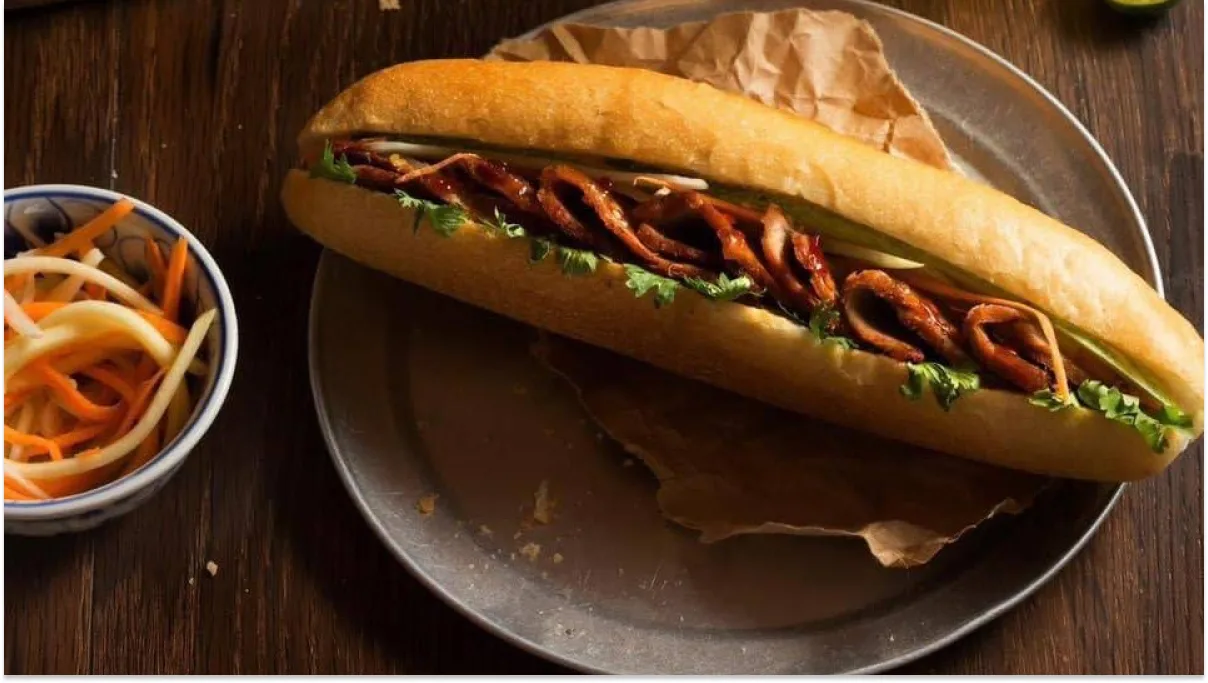
My culinary adventure across Vietnam wasn’t about chasing famous restaurants or Instagram-famous dishes. This time, I went searching for hidden local eateries — the secret spots only locals know, where every bowl, every grill, and every smile tells a story of authentic Vietnamese flavor.
Vietnamese cuisine traditions >>
1. Bun Cha Gia Truyen – Hanoi
Discover Hanoi – The Heart of Vietnamese Culture >>
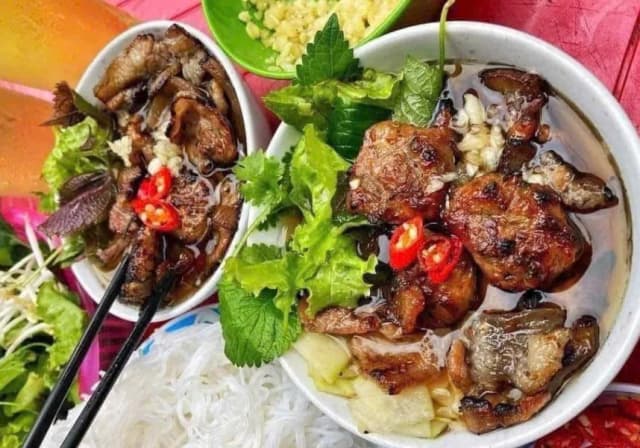
It was a crisp autumn morning in Hanoi, the scent of milk flowers lingering in the air. Down a small alley with no flashy sign, smoke rose from a charcoal grill and the sound of sizzling pork filled the street. The steaming bun cha — grilled pork with vermicelli and dipping sauce — warmed me more than the sunlight ever could.
✨ Special Experience: Watch the owner grill the meat — each skewer crafted with care and decades of mastery.
2. Com Nieu Restaurant – Hoi An
Discover Hoi An Ancient Town – Lanterns, Heritage & Flavor >>
Hidden on a quiet street, this clay-pot restaurant radiated old-town charm. I tried com nieu (rice cooked in clay pots) served with braised fish, seasonal greens, and house-made fish sauce. The flavors were rich, comforting, and unforgettable.
✨ Special Experience: The owner shared the family’s cooking secrets passed down through generations.
3. Traditional Pho – Saigon (Ho Chi Minh City)
Discover Ho Chi Minh City – Vibrant Energy & Street Food Capital >>
Tucked away on a silent street, this tiny phở stall had no sign — just a few wooden tables and a glowing stove. I arrived at dawn; the broth was clear and fragrant, the beef tender, and the noodles perfectly chewy.
✨ Special Experience: Sit among locals, soaking in the early morning rhythm and friendly greetings.
4. Banh Xeo Alley Stall – Hue
Discover Hue – Imperial Heritage & Royal Cuisine >>
At the end of a narrow lane, I found a small banh xeo (Vietnamese pancake) stall with plastic tables and endless laughter. The crispy golden crepe filled with shrimp, pork, and bean sprouts, wrapped in greens and dipped in tangy fish sauce, was divine.
✨ Special Experience: Learn the art of rolling and dipping banh xeo — a true local ritual.
5. Banh Cuon Corner – Thanh Hoa
In a quiet village, I found a banh cuon shop where rice batter was steamed paper-thin. Filled with minced pork and mushrooms, it was served with a secret-recipe dipping sauce.
✨ Special Experience: Step inside the kitchen to see the delicate handwork behind each silky rice roll.
6. Mi Quang House – Quang Nam
This humble eatery tucked in a small lane served mi quang, a golden noodle dish with chicken, shrimp, roasted peanuts, and fresh herbs. The flavors danced between savory and fresh.
✨ Special Experience: Hear the chef share how she picks herbs and simmers broth for hours to perfect the flavor.
7. Nem Nuong Stall – Nha Trang
A small roadside stall, a sizzling grill, and the irresistible smell of nem nuong (grilled pork rolls). Wrapped in rice paper with herbs and dipped in rich sauce, each bite was smoky and tender.
✨ Special Experience: Roll your own nem nướng alongside the vendor — simple, yet unforgettable.
8. Chao Long – Hai Phong
Hidden in a tiny alley, this unmarked stall served hot bowls of chao long (rice porridge with pork intestines). The broth was flavorful, the herbs fresh, and the locals’ chatter filled the space with warmth.
✨ Special Experience: Share stories with regulars — you’ll leave full, not just in your stomach, but in your heart.
✨ Traveler’s Tips
Follow locals or ask taxi drivers where they eat — that’s where you’ll find true culinary treasures.
Visit in the morning or early afternoon for the freshest dishes and fewer crowds.
Be respectful of small family-run eateries — always ask before taking photos.
💡 Insider Tips
Use natural light when photographing food — morning light works best.
Ask about recipes or cooking techniques — most owners are happy to share their craft.
Try multiple dishes at one spot — locals often enjoy a set or combo for a full experience.
Frequently Asked Questions
How do I find hidden local restaurants in Vietnam?
The best way to find hidden local eateries is to follow locals or ask taxi drivers where they eat, as the best spots often have no signs or flashy storefronts. Visit in the morning or early afternoon for the freshest dishes and fewer crowds, and look for small alleys with smoke rising from charcoal grills.
What is com nieu and where can I try it in Vietnam?
Com nieu is rice cooked in traditional clay pots, giving it a distinctive smoky flavor and crispy bottom. One of the best places to try it is at a hidden restaurant in Hoi An, where it is served with braised fish, seasonal greens, and house-made fish sauce using family recipes passed down through generations.
What hidden local dishes should I try in different Vietnamese cities?
Each city has its own specialties: bun cha (grilled pork with vermicelli) in Hanoi, banh xeo (crispy Vietnamese pancakes) in Hue, mi quang (golden turmeric noodles) in Quang Nam, nem nuong (grilled pork rolls) in Nha Trang, and chao long (rice porridge with pork) in Hai Phong. Seeking out these dishes at local stalls reveals authentic flavors tourists rarely find.
Is Vietnamese street food safe to eat for tourists?
Vietnamese street food at popular local stalls is generally safe, especially at places with high turnover where ingredients are always fresh. Visit during morning or early afternoon for the freshest dishes, and look for stalls where locals are eating in large numbers as a reliable sign of quality and food safety.
Can I learn to cook Vietnamese food at hidden local eateries?
Many family-run eateries welcome curious visitors into their kitchens. You can watch banh cuon being steamed paper-thin in Thanh Hoa, learn the art of rolling and dipping banh xeo in Hue, or roll your own nem nuong alongside the vendor in Nha Trang. Most owners are happy to share their cooking techniques when asked respectfully.
Conclusion
Leaving these hidden eateries behind, I realized that Vietnamese cuisine isn’t just food — it’s culture, community, and soul. Each tiny restaurant, each bowl of noodles, is a story — one that every food lover traveling through Vietnam should taste for themselves.
Comments (0)