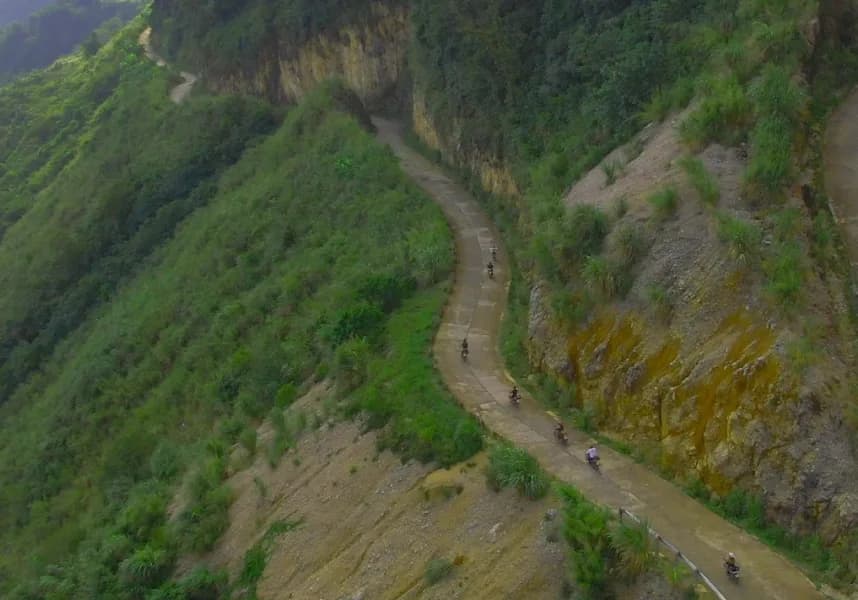
Pu Luong Nature Reserve: A Hidden Valley of Culture & Tradition
My journey through the western highlands of Thanh Hoa began at Pu Luong, a nature reserve tucked away amid the misty mountains of northern Vietnam. I arrived early on a summer morning — mist still lingered over lush green valleys, the terraced rice fields shimmered in the soft sunlight, and birdsong echoed from the forest canopy. Everything felt calm and timeless.
Pu Luong isn’t just a paradise of natural beauty — it’s also a living museum of ethnic culture, where traditional craftsmanship and rural life thrive in harmony with nature.
Pu Luong Nature Reserve >>
1. The Pu Luong Valley – A Landscape Untouched by Time
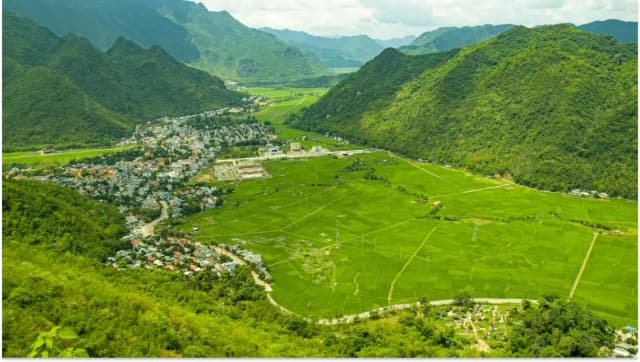
The first impression of Pu Luong is its endless valleys winding between limestone mountains. Terraced rice fields cascade from the foothills up to the peaks, creating a breathtaking mosaic of green and gold. Walking along the trails, I passed stilt houses of the Thai, Dao, and Muong people, streams glittering in the sunlight, and the gentle hum of forest life.
✨ Special Experience: Stop atop a hill to take in the panoramic view of the valley — a scene so tranquil it feels like stepping inside a living watercolor painting.
2. Terraced Rice Fields – The Heartbeat of Pu Luong’s Culture
Pu Luong’s terraced fields are masterpieces of agricultural harmony. When I visited in late September, the golden rice shimmered under the sun, creating waves of color across the mountains. Local farmers were busy harvesting, their laughter echoing through the fields.
✨ Special Experience: Join the locals during harvest season — learn how to reap, thresh, and weave rice stalks the traditional way. It’s an unforgettable way to connect with Vietnam’s farming heritage.
3. Ethnic Villages – The Soul of Pu Luong
Exploring villages like Ban Hang, Ban Kho Muong, and Ban Don, I was welcomed with open arms. The stilt houses stood proudly, filled with the aroma of sticky rice and grilled chicken. I tasted local specialties — bamboo-tube rice, stream fish, and can wine — while learning to weave brocade and craft bamboo tools.
✨ Special Experience: Spend an afternoon chatting with villagers about their customs and joining in weaving or cooking — an intimate glimpse into authentic rural life.
4. Waterfalls, Streams & Hidden Ponds
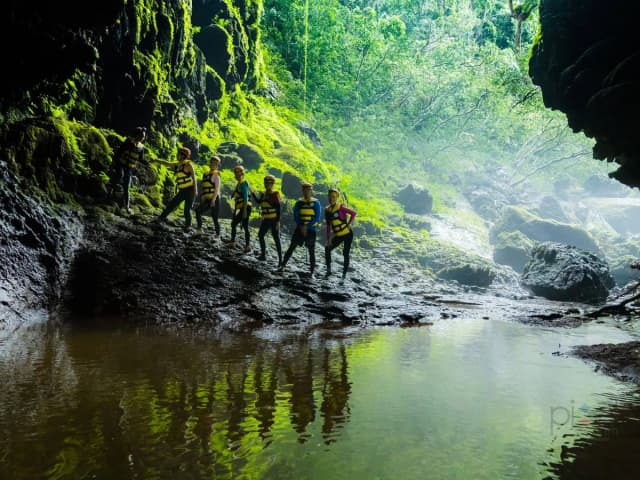
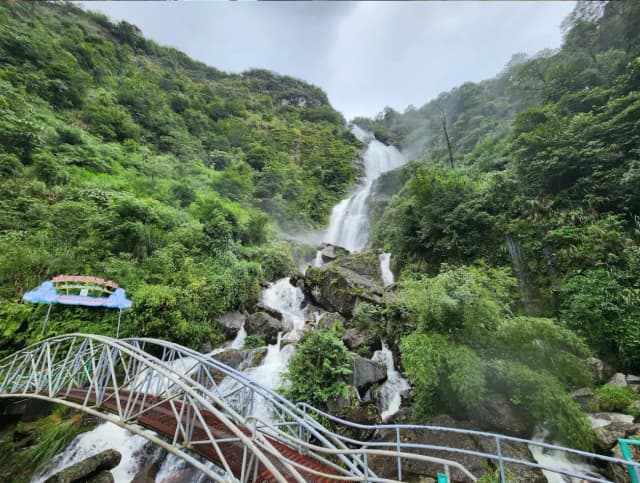
Pu Luong is dotted with pristine streams and small waterfalls, like Thac Nua and Chieng Stream Lake. Following forest trails, I found crystal-clear water flowing over smooth stones, birds singing, and the scent of wildflowers filling the air.
✨ Special Experience: Take a refreshing dip under a forest waterfall or relax beneath the shade of ancient trees — nature’s own spa.
5. Trekking Through Mountains & Forests
Pu Luong offers a range of trekking routes, from gentle trails through rice fields to challenging climbs over limestone peaks. My trek led through dense forests and mysterious valleys home to rare species like the white-cheeked gibbon and colorful pheasants.
✨ Special Experience: Standing on Pu Luong’s summit, I gazed over terraced fields and scattered villages — a breathtaking panorama of wilderness and peace.
6. Sunrise & Sunset Over the Valleys
The magic of Pu Luong peaks at dawn and dusk. In the morning, mist rolls across the valleys as sunlight dances on the water. By evening, the setting sun bathes the terraced fields in shades of gold and orange.
✨ Special Experience: Capture this moment with your camera or simply sit still in silence, feeling the rhythm of nature slow your heart.
7. Homestays & Local Nightlife
Staying in a local homestay is the best way to immerse yourself in Pu Luong’s culture. Sleep in a traditional stilt house, savor home-cooked meals, and join in nightly cultural performances with Thai dances, folk songs, and can wine by the firelight.
✨ Special Experience: Fall asleep to the sound of crickets and wake up to the first light over rice terraces — pure serenity.
8. Traditional Craft Villages
Many villages around Pu Luong still preserve age-old crafts like weaving, wood carving, and rice wine making. I had the chance to try weaving brocade and crafting bamboo items — learning how local artisans pass down their skills through generations.
✨ Travel Tips for Visiting Pu Luong
Spend at least 3–4 days to fully explore the valleys, waterfalls, and villages.
Hire a local guide for safe trekking and discovering hidden trails.
Bring trekking shoes, light jackets, and sun protection.
Best time to visit: September–October (harvest season) or April–May (wildflower bloom).
Don’t forget your camera or drone — Pu Luong looks even more majestic from above.
Frequently Asked Questions
How many days do you need to explore Pu Luong Nature Reserve?
You should spend at least 3 to 4 days to fully explore Pu Luong’s valleys, waterfalls, trekking trails, and ethnic villages. This allows time for trekking through rice terraces, visiting villages like Ban Hang, Ban Kho Muong, and Ban Don, swimming under forest waterfalls, and enjoying sunrise and sunset views over the valleys.
What is the best time to visit Pu Luong Nature Reserve?
The best times to visit are September to October during the golden harvest season when rice terraces shimmer under the sun, or April to May when wildflowers are in full bloom. Both seasons offer stunning photography opportunities and pleasant weather for trekking through the limestone mountains and valleys.
What ethnic groups live in Pu Luong and can you visit their villages?
Pu Luong is home to the Thai, Dao, and Muong ethnic groups who live in traditional stilt houses throughout the reserve. You can visit villages like Ban Hang, Ban Kho Muong, and Ban Don to taste local specialties such as bamboo-tube rice and stream fish, learn traditional brocade weaving, and experience authentic rural Vietnamese life through homestays.
Can you stay in a homestay in Pu Luong?
Yes, staying in a local homestay is the best way to immerse yourself in Pu Luong’s culture. You sleep in a traditional stilt house, enjoy home-cooked meals featuring local specialties, and can join nightly cultural performances with Thai dances, folk songs, and can wine by firelight. Waking up to views of rice terraces from your stilt house is an unforgettable experience.
What trekking routes are available in Pu Luong?
Pu Luong offers routes ranging from gentle trails through cascading rice terraces to challenging climbs over limestone peaks through dense forests. Treks pass through mysterious valleys that are home to rare species like the white-cheeked gibbon and colorful pheasants. Hiring a local guide is recommended for safe trekking and discovering hidden trails off the beaten path.
Conclusion
Leaving Pu Luong, I carried with me the serene harmony between nature and culture — a place where every step reveals a story, every sunrise feels sacred. Pu Luong isn’t just a destination; it’s a sanctuary where life slows down, and the spirit feels free.
Pu Luong truly is the hidden emerald of Thanh Hoa — a valley of peace, authenticity, and breathtaking beauty.
Comments (0)