🏛️ War Remnants Museum Ho Chi Minh City: Educational History Tour
Ho Chi Minh City, the vibrant heart of southern Vietnam, is famous for bustling streets, shopping hubs, and 24-hour cafés. Yet, hidden among the city’s energy lies a place of deep historical significance: the War Remnants Museum.
Stepping inside, I felt like entering a journey through time — confronting the harsh realities of war, understanding its consequences, and witnessing the resilience of the Vietnamese people. It’s an educational and emotional experience that stays with you long after leaving.
War Remnants Museum >>
🚶 1. Visiting the Museum
Discover War Remnants Museum – A Powerful History Journey >>
I arrived on a sunny morning. The museum entrance, surrounded by tall trees, flower beds, and wide open spaces, immediately set a solemn tone.
Even before entering, I felt a sense of respect and calm. The sound of footsteps on old tiles, the faint scent of flowers, and the quiet atmosphere prepared me for a reflective journey through history.
🖼️ 2. Indoor Exhibitions
The museum is divided into several themed sections:
a) Vietnam War & Its Consequences
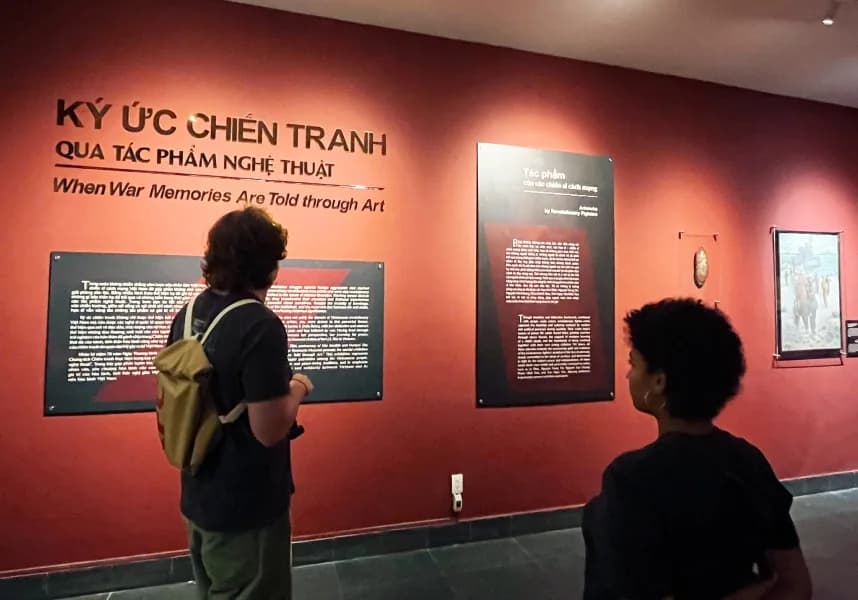
Displays include photographs, artifacts, planes, tanks, weapons, and war documentation.
Black-and-white photos and scenes of devastation revealed the pain and human cost of war. Some rooms showed documentaries that were deeply moving, reminding me to value the peace we have today.
b) Chemical Warfare & Agent Orange
Exhibits highlight the long-term impact of Agent Orange and other chemical weapons.
Seeing images of affected children was emotionally heavy. I gained a deeper understanding that war’s consequences extend far beyond the battlefield, affecting generations and the environment.
c) Soldiers & Civilians
Showcases personal items, uniforms, letters, and documents of soldiers and civilians.
Reading individual stories, I felt the courage and resilience of people during wartime. Some accounts were heartbreaking but taught me the priceless value of peace.
🚁 3. Outdoor Exhibits
The outdoor area features tanks, planes, helicopters, and other military vehicles.
Standing next to real tanks and helicopters, I felt both the scale of war and the bravery of those who defended their country. It’s also a respectful spot for photos — quiet, reflective, and memorable.
📚 4. Additional Experiences
Guided tours: Learn detailed stories about exhibits, war history, Agent Orange, and efforts for peace.
Interactive learning: Multimedia panels help visitors understand historical context and human experiences.
Reference materials: Mini library and book corners provide resources for deeper research.
Guided tours enhanced my visit, turning mere observation into an understanding of the human stories behind every artifact.
📝 5. Museum Tips
Best time: Morning or early afternoon to avoid crowds and heat.
Attire: Comfortable, modest clothing and walking shoes.
Bring: Camera (no flash), water, and notebook if needed.
Respect: Stay quiet, do not touch exhibits, and be mindful in sensitive rooms.
Time: Allocate 2–3 hours for a full tour.
Guided tour: Highly recommended to fully grasp the significance of each exhibit.
Frequently Asked Questions
What can I see at the War Remnants Museum in Ho Chi Minh City?
The museum features indoor exhibitions covering the Vietnam War and its consequences, including photographs, artifacts, planes, tanks, and weapons. Key sections include the Chemical Warfare and Agent Orange exhibit showing long-term impacts on people and the environment, personal items and letters from soldiers and civilians, and an outdoor area with real military vehicles including tanks, helicopters, and planes.
How long does it take to visit the War Remnants Museum?
You should allocate 2 to 3 hours for a full tour of the museum, which includes both the indoor exhibitions and the outdoor military vehicle displays. A guided tour is highly recommended to fully grasp the significance of each exhibit and to hear detailed stories about the war, Agent Orange, and the efforts for peace and reconciliation.
Is the War Remnants Museum suitable for children?
The museum contains emotionally heavy content including graphic photographs of war devastation and the effects of Agent Orange on children and families. While it is an important educational experience, parents should be prepared for sensitive material and consider the age and emotional readiness of their children before visiting the more intense exhibition rooms.
What is the best time to visit the War Remnants Museum?
Morning or early afternoon is the best time to visit to avoid the largest crowds and the intense midday heat of Ho Chi Minh City. Wear comfortable, modest clothing and walking shoes, and bring water to stay hydrated. Photography is allowed but flash is not permitted inside the exhibition halls.
Should I take a guided tour of the War Remnants Museum?
A guided tour is highly recommended as guides share detailed stories about the exhibits, war history, the Agent Orange crisis, and ongoing peace efforts that you would not learn from simply reading display labels. The guided experience transforms the visit from observation into a deeper understanding of the human stories behind every artifact and photograph in the museum.
Conclusion
Visiting the War Remnants Museum Ho Chi Minh City is more than sightseeing — it’s a profound educational journey. You learn about war, sacrifice, the consequences of conflict, and the value of peace. I left with a reflective, solemn feeling and a deeper appreciation for life today, realizing that remembering history is the key to building a peaceful future.
Comments (0)