🏮 Hoi An Ancient Town: Cultural Walking Tour & Lantern Festival Experience
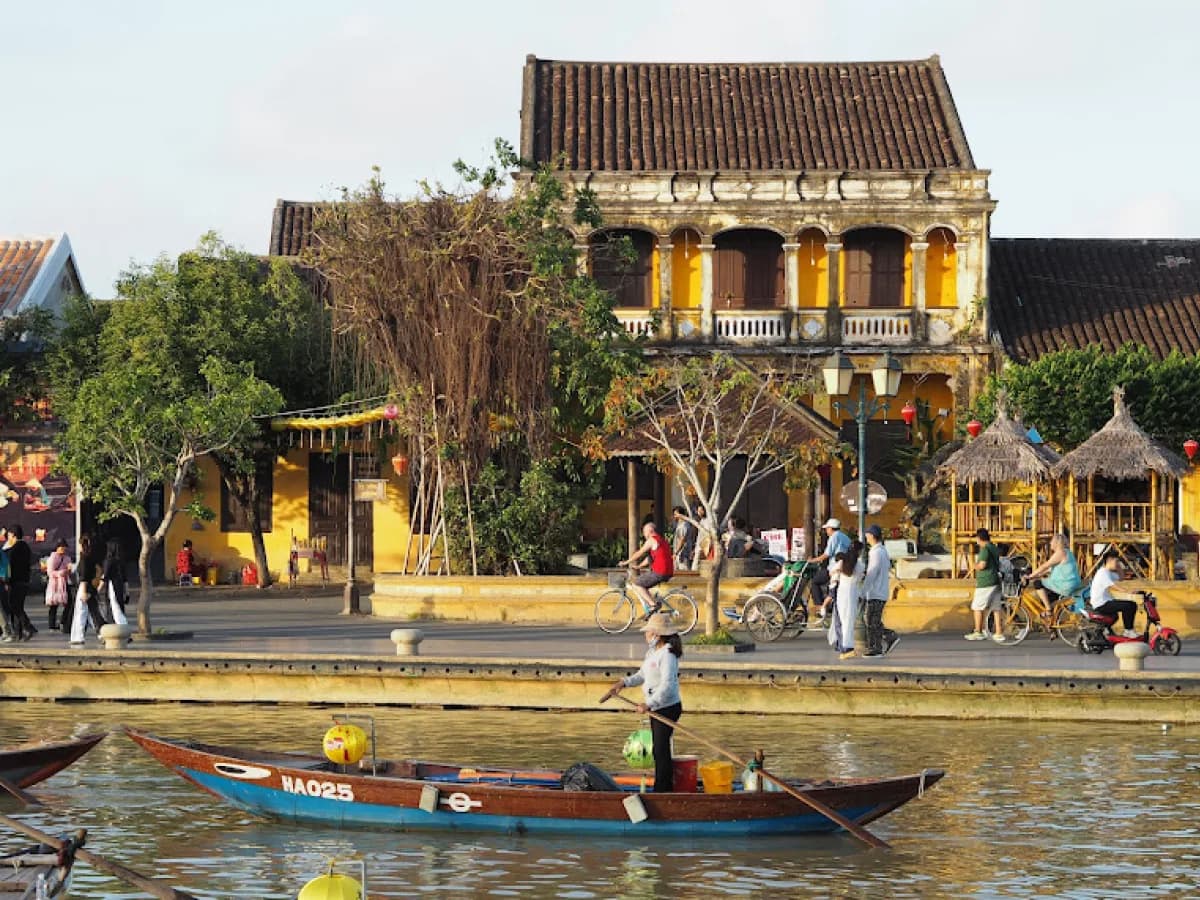
I arrived in Hoi An on a gentle golden afternoon, when sunlight glowed softly across the centuries-old tiled roofs. Unlike the buzz of modern cities, Hoi An carries a quiet, nostalgic charm — like an open history book with pages written in lantern light and river breeze. I knew this wouldn’t just be a sightseeing trip, but a journey to touch the soul of Vietnam’s most enchanting old town.
UNESCO: Hoi An Ancient Town >>
🌆 A Stroll Through Time: Walking the Ancient Streets
Discover Hoi An Ancient Town – Vietnam's Timeless Trading Port >>
Walking in Hoi An isn’t simply moving from place to place — it’s traveling through history.
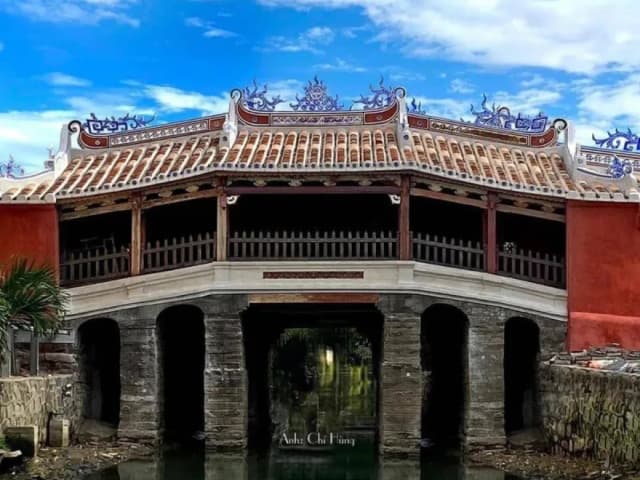
My journey began at the Japanese Covered Bridge (Chùa Cầu), the town’s most iconic landmark. Its mossy green tiles and curved wooden arches stood gracefully over the still water below. For a moment, I imagined the footsteps of Japanese, Chinese, and Vietnamese merchants who once traded here centuries ago.
A few streets away stood Tân Ký Old House, over 200 years old. Every beam and carved column tells a story of Hoi An’s golden era as a bustling trading port. Running my hand along the smooth wooden wall, I felt as though I were shaking hands with history itself.
Every corner of the old town bursts with colors — mustard-yellow walls, wooden doors, and bougainvillea spilling from balconies. I stopped at Mót Hoi An, a tiny herbal tea stall, for a refreshing drink infused with lemongrass and lime. It wasn’t just delicious — it tasted like the town’s calm rhythm itself.
🎭 Living Culture, Not Just Watching It
What makes Hoi An truly special is that culture here isn’t kept behind glass — it’s lived, shared, and experienced.
At the Sa Huỳnh Culture Museum, I glimpsed artifacts dating back over 2,000 years. Then, at the Museum of Trade Ceramics, I imagined ships sailing from this very port, connecting Vietnam with distant lands.
Later, I joined a lantern-making class — wrapping silk around a bamboo frame, folding, gluing, creating my own piece of light. As my lantern took shape, I understood why these glowing orbs have become Hoi An’s eternal symbol: they represent warmth, hope, and togetherness.
🌙 When the Town Glows: The Lantern Festival
Then came the most magical moment — Hoi An’s Full Moon Lantern Festival.
As dusk fell, the electric lights went out and the town transformed into a sea of shimmering lanterns. Red, gold, green, and purple lights danced across the river and walls, turning the streets into a dreamlike canvas.
By the Hoai River, crowds gathered to release floating candles onto the water. I bought a small lantern, whispered a wish, and watched it drift slowly downstream. In that instant, peace washed over me — as if my worries floated away with the glowing lights.
The air filled with Bài Chòi folk music, recognized by UNESCO as an Intangible Cultural Heritage. I joined a local game, laughing with strangers, realizing that the beauty of Hoi An isn’t just in its architecture — it’s in its people.
🍜 Night Flavors of Hoi An
Hoi An’s nights are not only beautiful — they’re delicious.
I started with a bowl of Cao Lầu, golden noodles with slices of roasted pork and fresh herbs from Tra Que village. Then, I lined up at Bánh Mì Phượng, a humble bakery crowned “the world’s best banh mi.” The crispy baguette, creamy pate, and grilled meat were unforgettable.
For dessert, I sat by the river with a cup of sweet corn pudding (chè bắp), watching the lantern-lit reflection shimmer across the water. It was one of those rare, perfect travel moments — peaceful, timeless, and full of warmth.
🛍️ A Piece of Hoi An to Bring Home
Before leaving, I picked up a few foldable silk lanterns and Thanh Ha pottery souvenirs. These weren’t just trinkets — they were fragments of memory, small reminders of lantern nights and the kindness of local smiles.
🎯 Travel Tips for Visiting Hoi An
🚶 Wear comfortable shoes: You’ll walk a lot on cobbled streets.
💵 Bring small cash: Street vendors rarely take cards.
📷 Charge your camera: Every corner is photogenic.
🕐 Best time: 5–9 PM, when lanterns begin to glow.
🎭 Hire a local guide: To uncover hidden stories behind ancient homes.
🔒 Keep your belongings safe: Especially during festivals.
Frequently Asked Questions
When is the Hoi An Lantern Festival held?
The Hoi An Full Moon Lantern Festival is held on the 14th day of each lunar month. During the festival, electric lights are turned off and the ancient town transforms into a sea of shimmering lanterns in red, gold, green, and purple. Visitors can release floating candles onto the Hoai River and enjoy Bai Choi folk music, which is recognized by UNESCO as an Intangible Cultural Heritage.
What are the must-try foods in Hoi An Ancient Town?
The must-try dishes include Cao Lau (golden noodles with roasted pork and fresh herbs from Tra Que village), Banh Mi Phuong (crowned the world's best banh mi with crispy baguette, creamy pate, and grilled meat), and che bap (sweet corn pudding). Hoi An's food scene is deeply local, with most specialties found only in this town.
What is the best time of day to visit Hoi An Ancient Town?
The best time to visit Hoi An is between 5 PM and 9 PM, when the lanterns begin to glow and the ancient streets transform into a magical, candlelit atmosphere. For a quieter experience, arrive on a golden afternoon to walk through the historic streets before the evening crowds gather. The morning is also pleasant for visiting museums and cultural sites.
What souvenirs should I buy in Hoi An?
Popular souvenirs from Hoi An include foldable silk lanterns (the town's iconic symbol), Thanh Ha pottery crafted by local artisans, and custom-tailored clothing from the many skilled tailors in the old quarter. These are not just trinkets but meaningful keepsakes that capture the craftsmanship and cultural heritage of this UNESCO World Heritage town.
Is the Japanese Covered Bridge in Hoi An worth visiting?
Yes, the Japanese Covered Bridge (Chua Cau) is Hoi An's most iconic landmark and a must-visit. Built centuries ago, its mossy green tiles and curved wooden arches stand gracefully over the water, evoking the era when Japanese, Chinese, and Vietnamese merchants traded in this bustling port town. Nearby, the Tan Ky Old House (over 200 years old) offers another fascinating glimpse into Hoi An's golden trading era.
Conclusion
Hoi An isn’t just a place to visit — it’s a place to feel. By day, a walk through the ancient town takes you back in time. By night, the lantern festival fills your heart with light and serenity.
As I left, I carried not only photos, but also a quiet sense of peace — as if the glow of a thousand lanterns still lingered within me.
Comments (0)