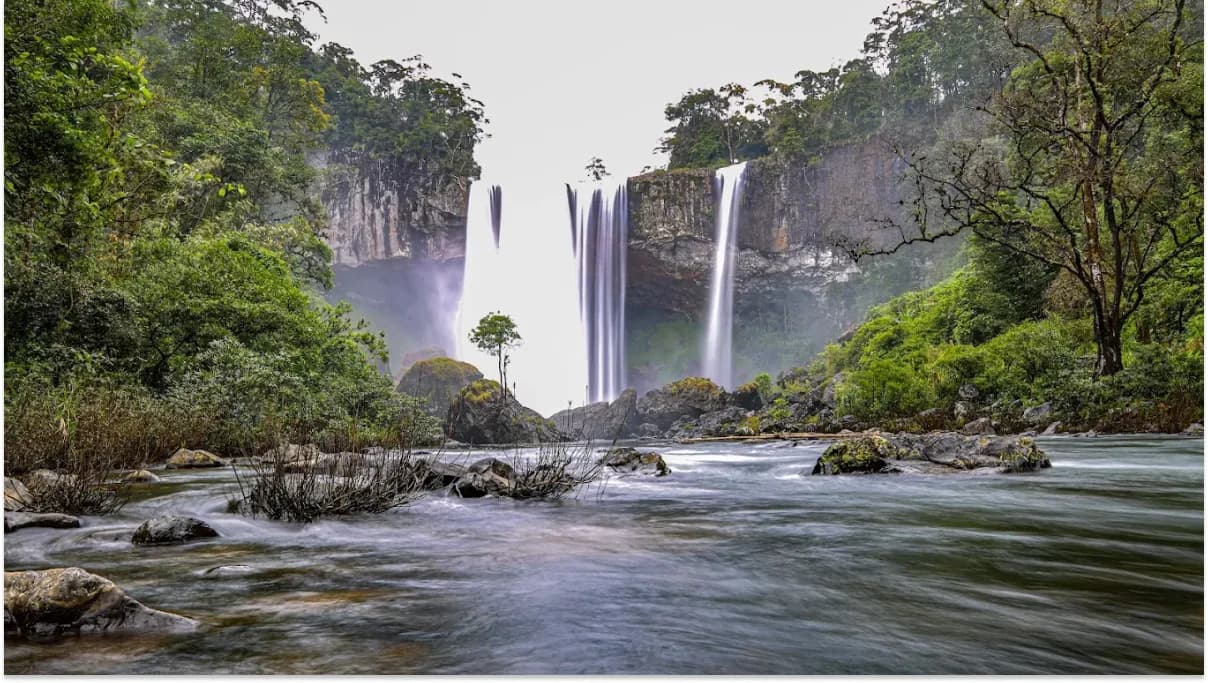
Top 12 Most Beautiful Waterfalls in Vietnam: Nature’s Hidden Masterpieces
Vietnam is not just about turquoise beaches or endless rice fields. Venture beyond the cities, follow the mountain roads, and you’ll find majestic waterfalls hidden deep in the forest — powerful yet graceful, like white silk ribbons cascading down ancient cliffs.
If Europe has the Rhine Falls, and America has Niagara, Vietnam offers its own wonders: Ban Gioc, Pongour, Dray Nur, Bao Dai — each with its own story, culture, and emotion.
Let’s explore the 12 most beautiful waterfalls in Vietnam, from the northern mountains to the Central Highlands and the southern plains — to discover a Vietnam that’s wild, poetic, and profoundly alive.
1. Ban Gioc Waterfall (Cao Bang) – “The Niagara of the East”
Discover Ban Gioc Waterfall – The Niagara of the East >>
Standing before Ban Gioc, I felt completely overwhelmed. This isn’t just another “check-in” spot — it’s one of Asia’s largest and most stunning waterfalls.
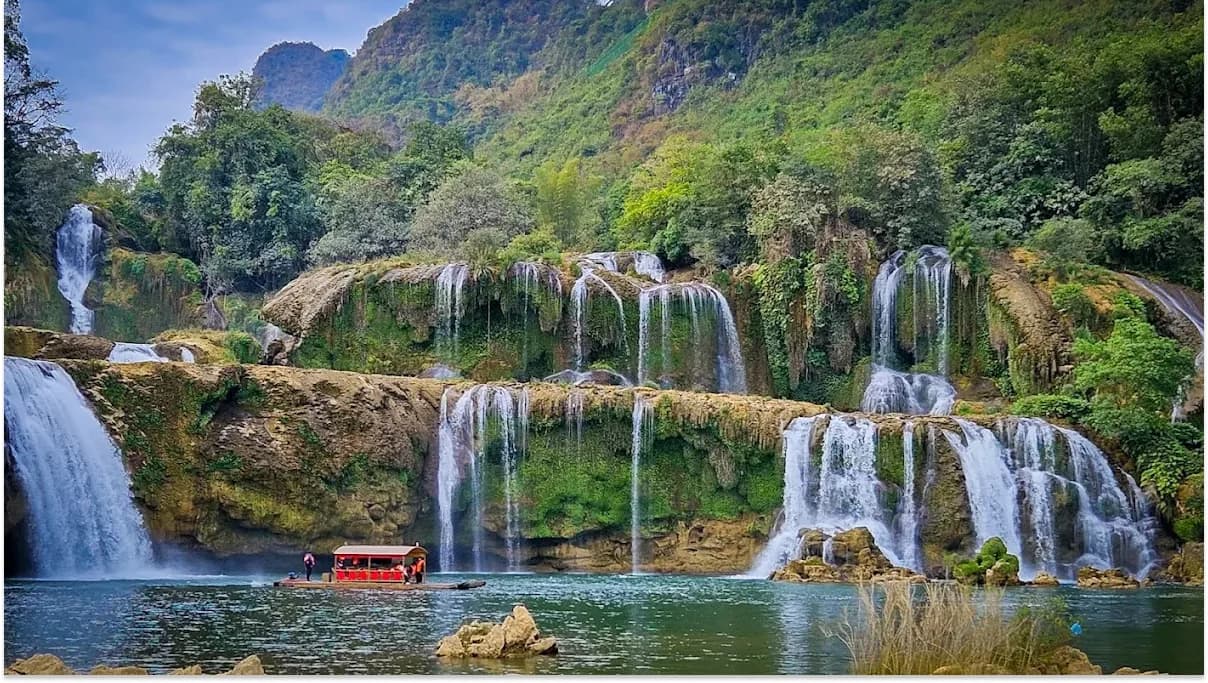
Water from the Quay Son River plunges over multiple tiers, sending white spray into the sky. From afar, the roar echoes like distant drums between the border mountains of Vietnam and China.
What’s special: Ban Gioc sits right on the Vietnam–China border. You’ll see bamboo boats from both sides gently floating near the base of the falls — a surreal sight where nature transcends political boundaries.
How it compares: If Niagara feels urban and grand, Ban Gioc is more romantic and untouched — surrounded by rice fields and Tay–Nung villages
Practical Info:
- 🚌 From Hanoi: 6–7 hours to Cao Bang, then 1.5 hours to Trung Khanh.
- 💰 Tour (2D1N): $120–150.
- 🍜 Must-try: Cao Bang sour pho, seven-spice roasted duck.
- 🏡 Stay: Local homestay in Ban Gioc or small hotel in Trung Khanh.
- 📅 Best months: September–October (full water, golden rice).
- ➕ Nearby: Nguom Ngao Cave.
2. Dambri Waterfall (Lam Dong) – “The Fairy of the Highlands”
I first heard Dambri before I saw it — a deep, thunderous sound echoing through the forest. Then, through the mist, a white curtain of water appeared, falling over 70 meters high.
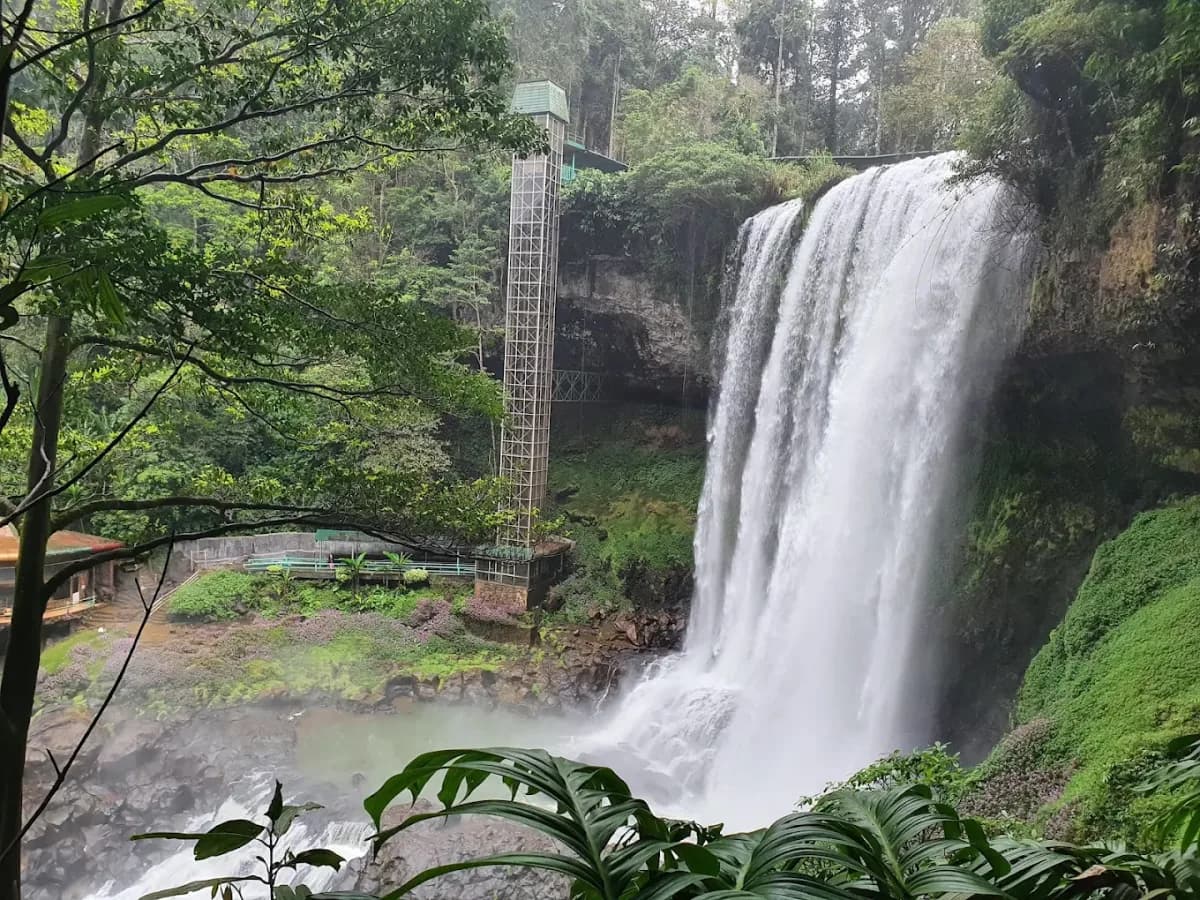
Legend says Dambri was once a girl who waited so long for her lover that she turned into a waterfall — “Dambri” means waiting in the K’Ho language.
Top Experiences:
- Ride a glass elevator through the forest down to the base.
- Cross a suspension bridge above the mist.
- Visit K’Ho ethnic villages and enjoy gong performances.
Comparison: Smaller and more romantic than Iguazu (Brazil–Argentina), but easily accessible and surrounded by authentic local culture
Practical Info:
- 🚌 From Ho Chi Minh City: 4–5 hours to Bao Loc.
- 💰 Entry: ~$3.
- 🍵 Try B’Lao tea and Laba bananas.
- 📅 Best time: Early morning for fewer tourists.
- 🌧️ Bring a light raincoat — the mist is intense!
3. Pongour Waterfall (Lam Dong) – “The Southern Queen of Waterfalls”
Discover Da Lat – The City of Eternal Spring >>
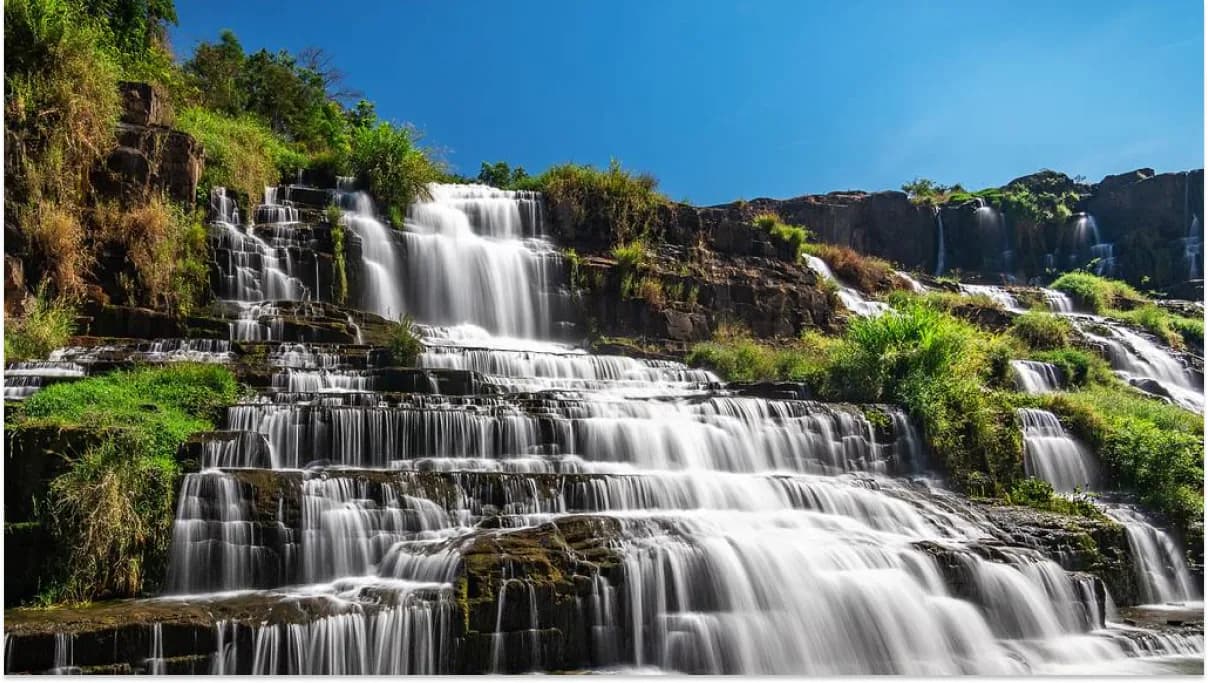
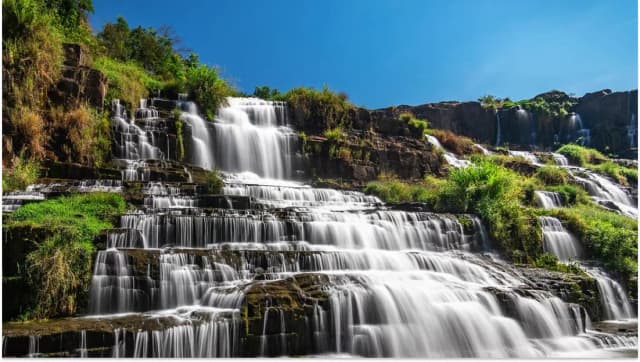
Unlike vertical falls, Pongour’s water flows across seven natural terraces, creating an elegant white cascade over dark basalt rock.
The French once called it “The most majestic waterfall of the South.”
Experience:
- Trek through bamboo forest to the base.
- Watch butterflies flutter in spring.
- Picnic by the cool stream.
Comparison: Similar to Kuang Si Falls (Laos) but larger and less commercialized
Practical Info:
- 🚗 50 km from Da Lat (~1.5 hours by motorbike).
- 💰 Entry: ~$1.5.
- 📅 Best months: July–October (rainy season = full flow).
- 👟 Wear sneakers — the path can be slippery.
4. Dray Nur & Dray Sap Waterfalls (Dak Lak) – “Twin Giants of the Highlands”
From the suspension bridge between them, I saw a stunning contrast: Dray Nur, fierce and thundering, and Dray Sap, soft and misty.
The Ede people believe these falls are home to mountain gods. At sunset, when light hits the spray, a rainbow often forms — pure magic.
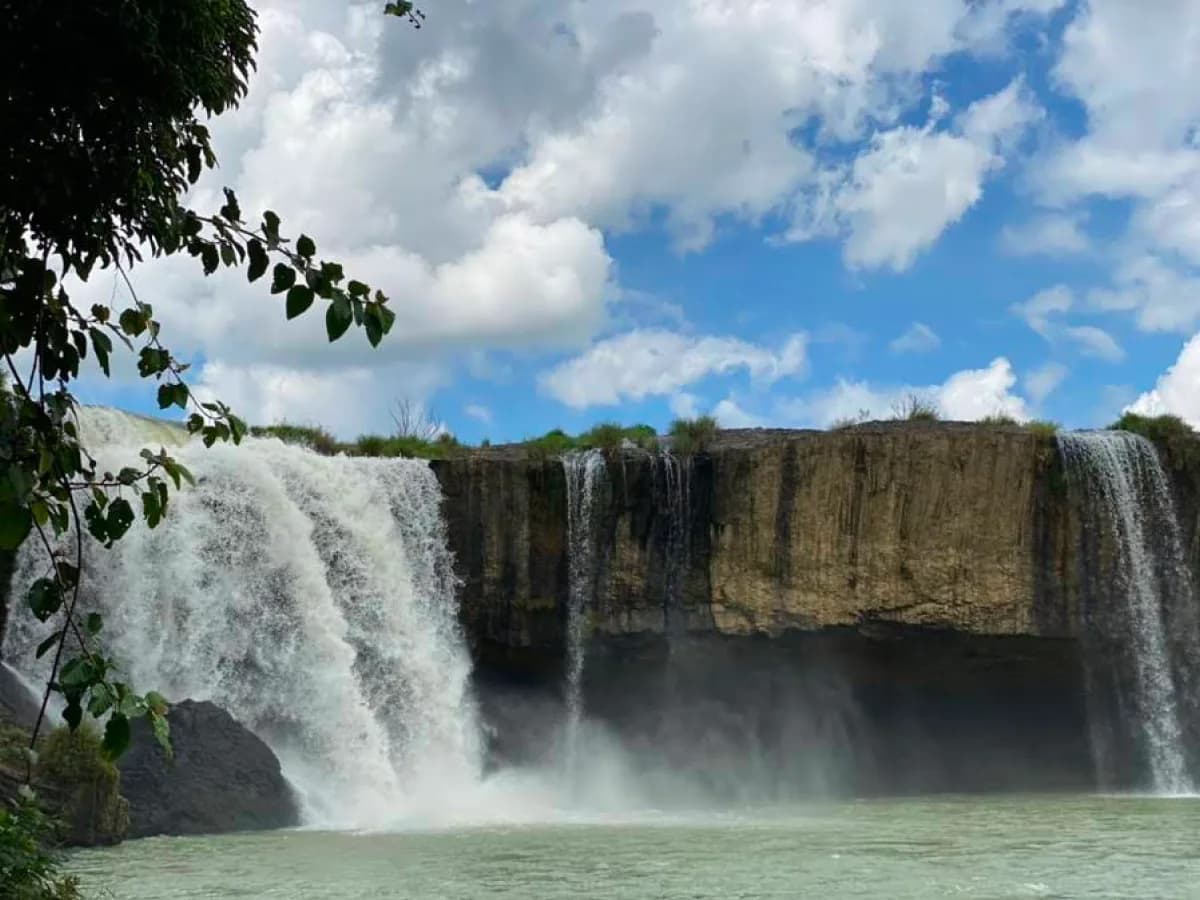
Experiences:
- Explore the hidden cave behind Dray Nur.
- Capture the sunset at Dray Sap.
- Enjoy a campfire night with local gong music.
Comparison: Like Kaieteur (Guyana) but infused with deep indigenous spirit
Practical Info:
- 🚗 25 km from Buon Ma Thuot.
- 💰 Entry: ~$2.
- 🍗 Try Ban Don grilled chicken, bamboo rice, and local coffee.
- 📅 Go in rainy season (May–Nov) for full power.
- ⚠️ Be careful near slippery rocks.
5. Bao Dai Waterfall (Lam Dong) – “The Royal Escape”
Hidden deep within Ta In Forest, this 60-meter-high cascade was once a retreat for King Bao Dai, Vietnam’s last emperor.
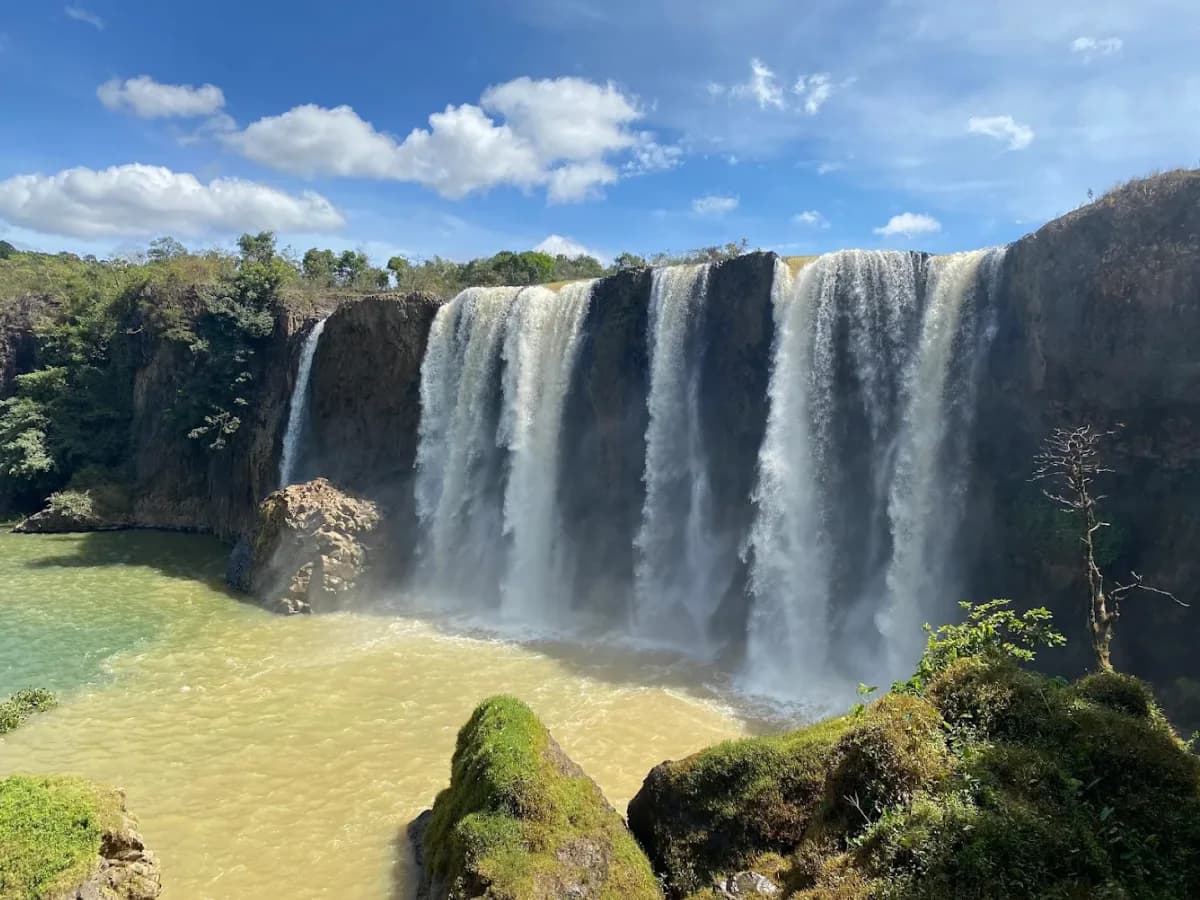
Experiences: Light trekking, peaceful forest walks, and quiet photography
Comparison: Like untouched falls in Costa Rica, raw and serene.
Practical Info:
- 🚗 50 km from Bao Loc.
- 💰 Entry: ~$1–2.
- 🥾 Bring water, snacks, and good walking shoes.
6. Silver Waterfall (Sapa, Lao Cai) – “The White Jewel of Fansipan”
Discover Sapa: Where Mountains, Clouds, and Cultures Meet >>
At 1,800 meters above sea level, Silver Waterfall glitters in sunlight — each droplet reflecting light like gemstones.
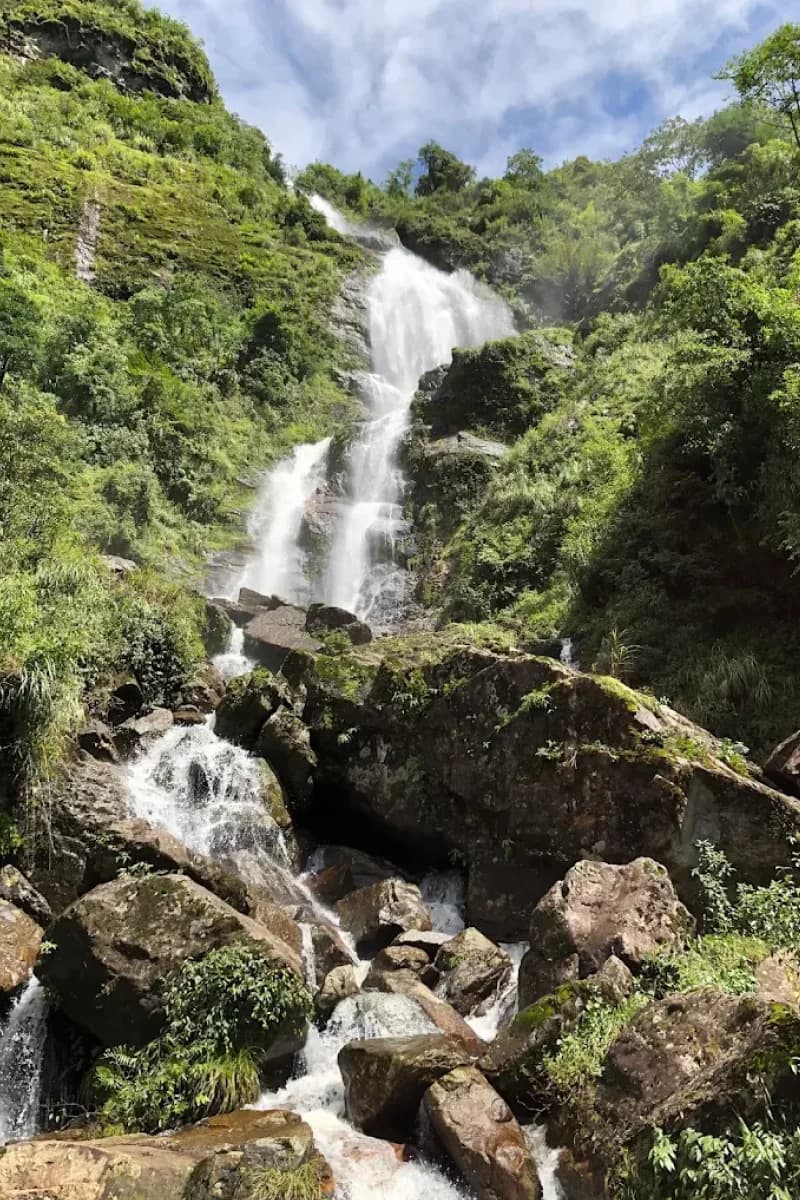
Highlights: On the way to Fansipan Peak, with sweeping views of terraced valleys.
Practical Info:
- 🚗 12 km from Sapa town.
- 💰 Entry: ~$1.
- 📅 Best in spring and summer.
- 👣 Short, scenic walk with cool mountain air.
Comparison: Like a fall in the Swiss Alps, but with unmistakable Vietnamese charm
7. Tac Tinh Waterfall (Lai Chau) – “The Tragic Love Song”
This 130-meter fall plunges into a turquoise pool surrounded by limestone cliffs. Legend tells of a Thai girl who turned into the waterfall out of love and sorrow.
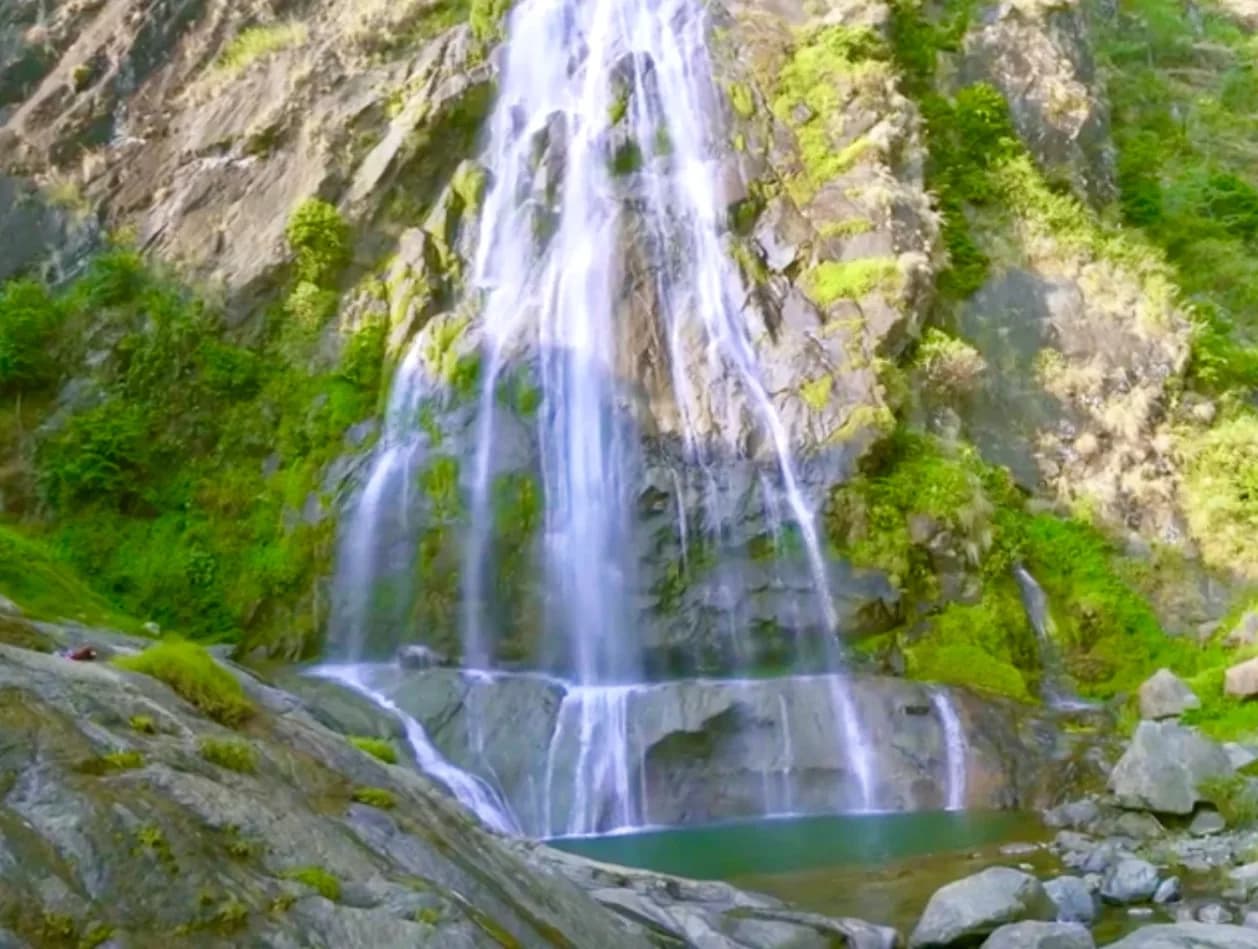
Experiences: Swim, trek, and capture ethereal photos
Comparison: Resembles Bridalveil Fall (Yosemite, USA) — slender and emotional
Practical Info:
- 🚗 10 km from Lai Chau town.
- 📅 Combine with visits to local Thai villages.
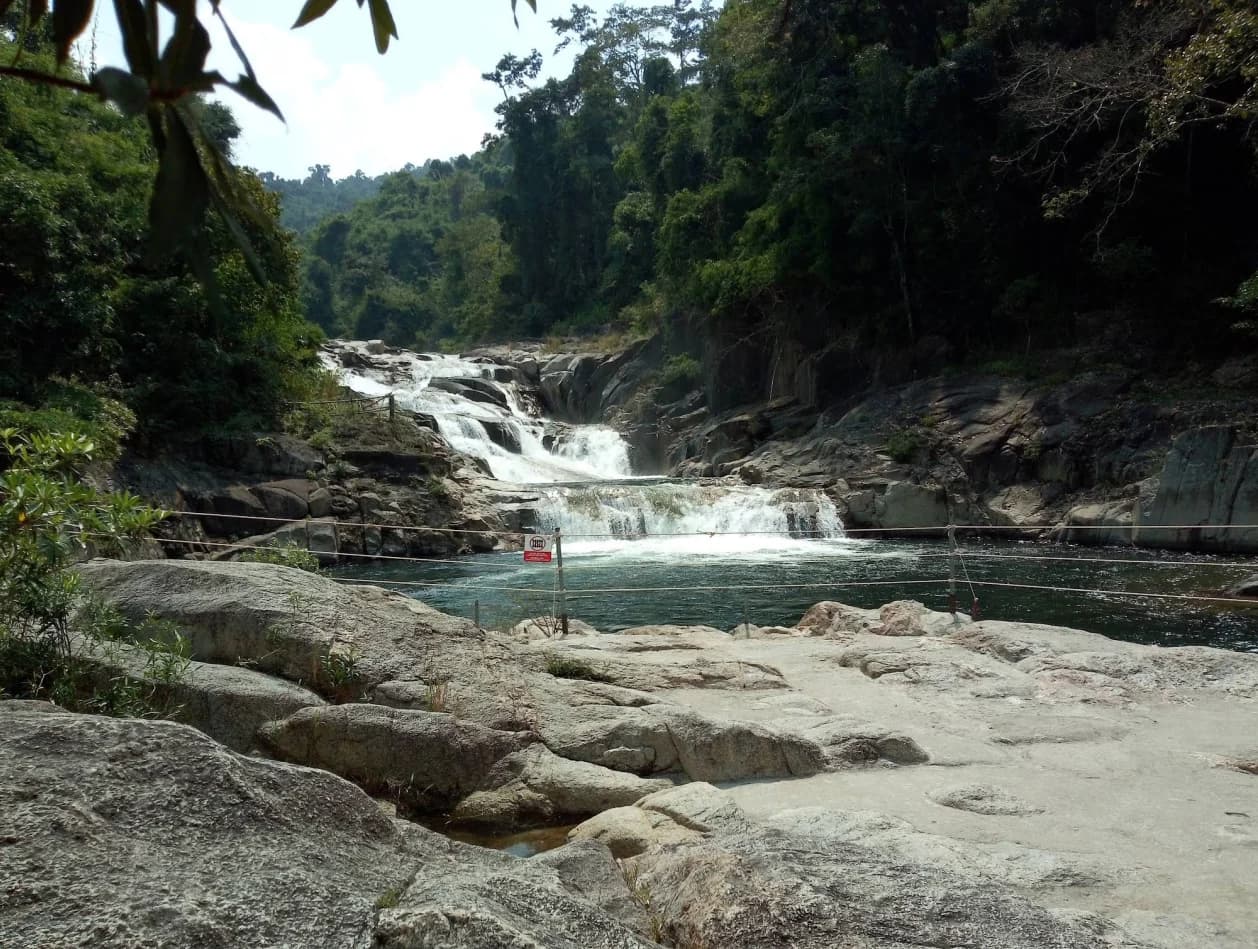
8. Yang Bay Waterfall (Khanh Hoa) – “The Rhythm of Forest and Sea”
Located near the coast, Yang Bay mixes tropical forest with ocean breeze — its sound both soothing and vibrant.
Experiences:
- Relax in hot mineral springs.
- Watch Cham musical shows.
- Play traditional village games.
Comparison: Like Hawaii’s waterfalls — where jungle meets sea
Practical Info:
- 🚗 45 km from Nha Trang.
- 💰 Entry: ~$5.
- 📅 Spend a full day here for spa + nature combo.
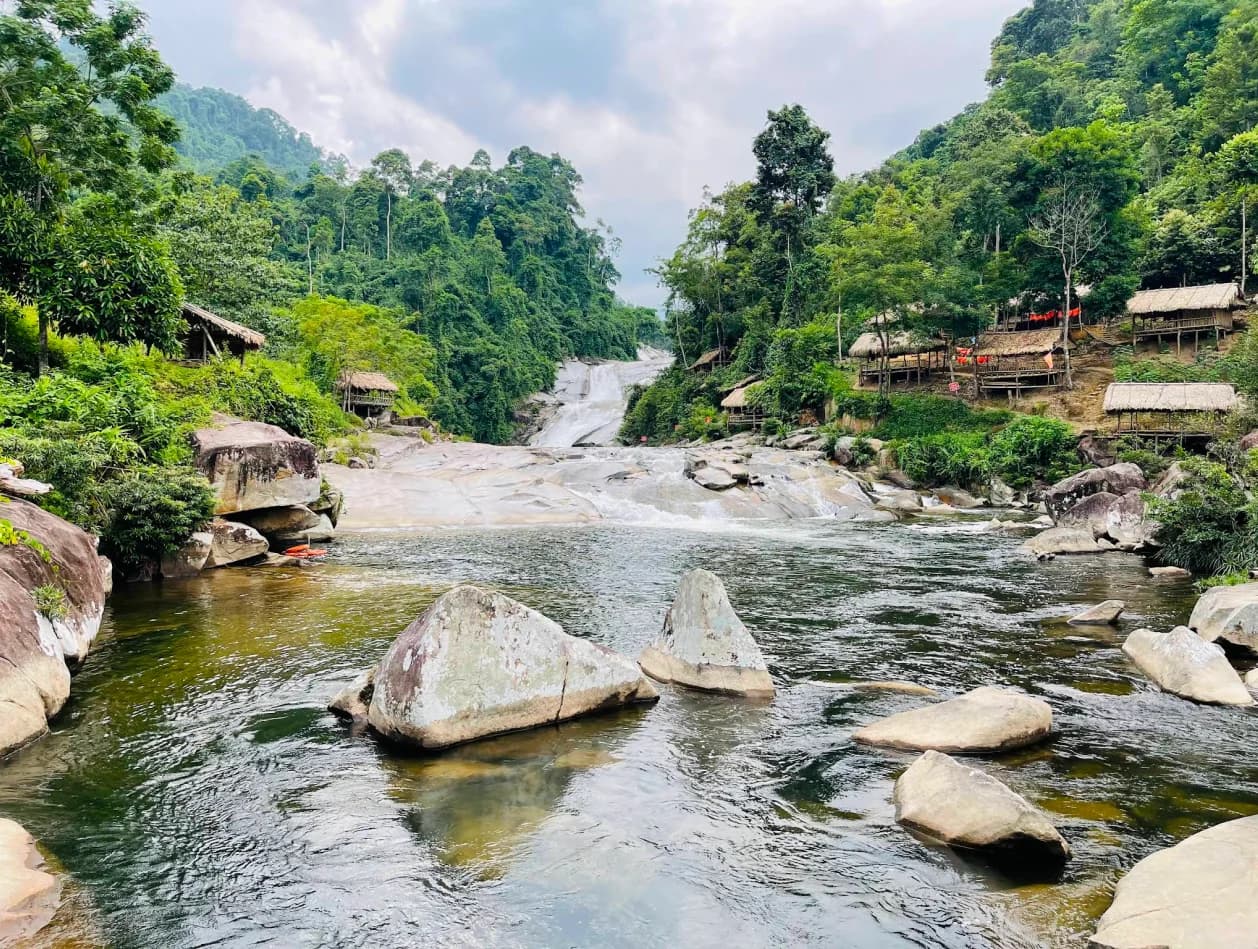
9. Seven-Tier Waterfall (Nghe An) – “Nature’s Staircase”
Seven cascading levels of crystal-clear water surrounded by pristine jungle.
Experiences: Swim, picnic, and unwind beside the pools
Comparison: Similar to Erawan Falls (Thailand) but quieter
Practical Info: 📍 Que Phong District, 200 km from Vinh City
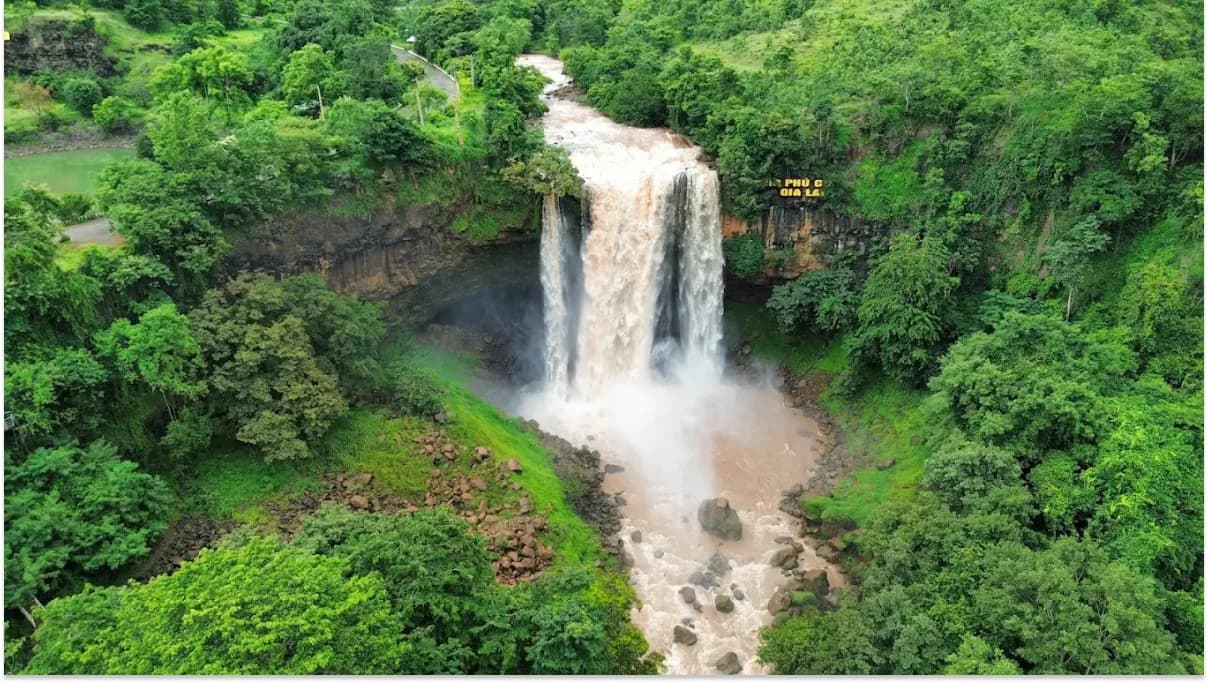
10. Phu Cuong Waterfall (Gia Lai) – “The Red Basalt Curtain”
During the rainy season, white water pours over fiery red basalt cliffs — a striking contrast.
Practical Info:
- 🚗 45 km from Pleiku.
- 💰 Entry: ~$1.
- 📅 Best in rainy months.
Comparison: Reminiscent of Iceland’s rugged falls, raw and cinematic
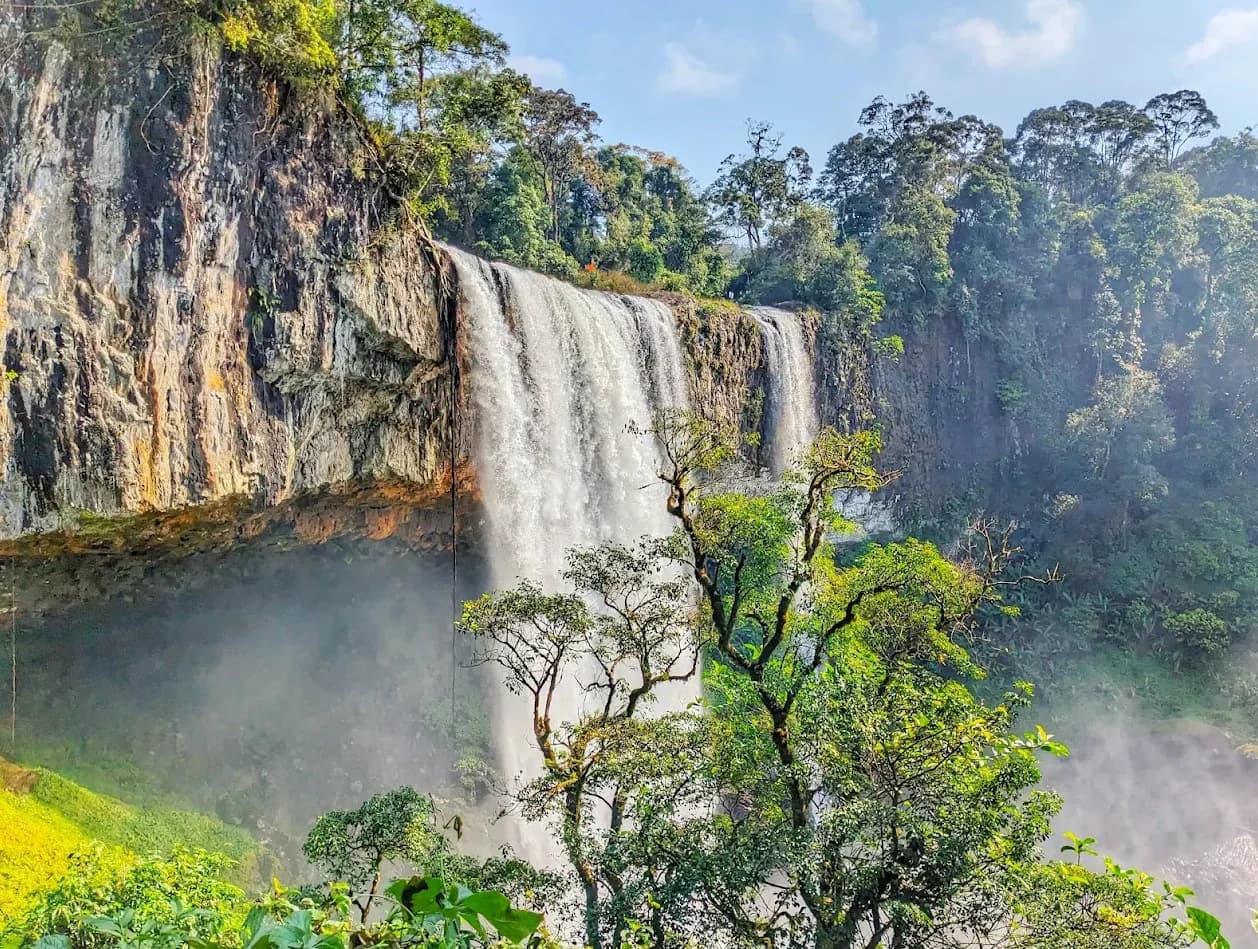
11. K50 Waterfall (Gia Lai) – “The Hidden Muse”
At dawn, mist floats around this remote jungle fall — mystical and breathtaking.
Experiences:
- 6–7 hour trek into Kon Chu Rang Nature Reserve.
- See a rainbow at sunrise.
Comparison: Like Angel Falls (Venezuela) — wild and legendary
Practical Info:
- Go only in dry season (Dec–Mar) with a guide.
- Bring food, water, and strong trekking boots.
12. Thuy Tien Waterfall (Dak Lak) – “The Three-Tiered Beauty”
Three gentle layers of white water flow through lush forest — peaceful, pristine, and photogenic.
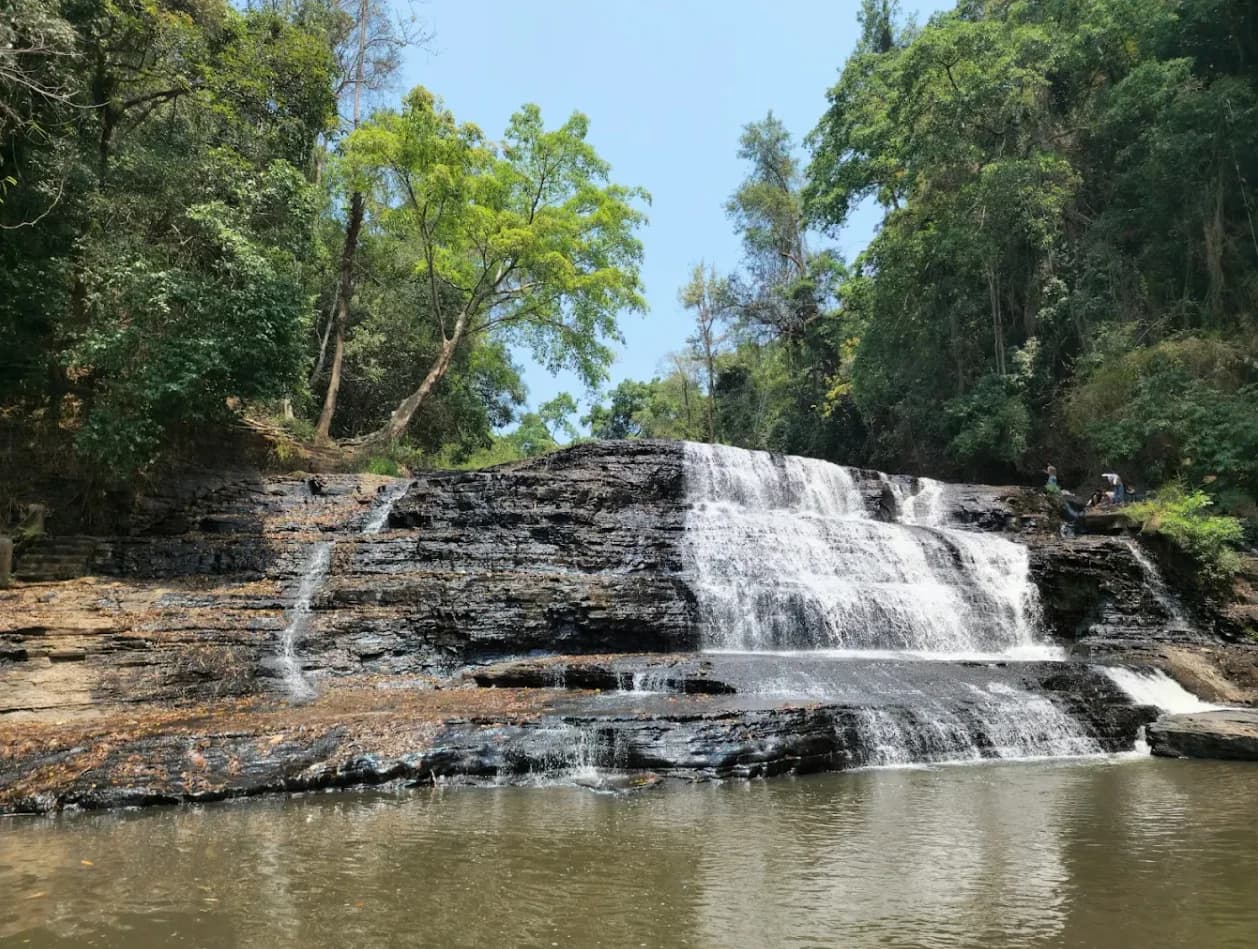
Experiences: Climb up each tier, dip in cool pools, and relax in nature
Comparison: Like Bali’s smaller waterfalls, but untouched
Practical Info:
- 🚗 50 km from Buon Ma Thuot.
- 💰 Free entry.
- 🧺 Bring food and water for a perfect picnic.
Frequently Asked Questions
What is the most beautiful waterfall in Vietnam and how do I get there?
Ban Gioc Waterfall in Cao Bang is widely considered the most beautiful waterfall in Vietnam and one of the largest in Asia. It sits on the Vietnam-China border where the Quay Son River plunges over multiple tiers. From Hanoi, it takes 6 to 7 hours to reach Cao Bang, then another 1.5 hours to Trung Khanh. The best months to visit are September to October when water flow is fullest and surrounding rice fields turn golden.
What is the best time of year to visit waterfalls in Vietnam?
Most Vietnamese waterfalls are at their most impressive during the rainy season from May to November, when heavy rainfall creates powerful cascading flows. However, some waterfalls like K50 in Gia Lai are best visited in the dry season (December to March) for safer trekking conditions. Silver Waterfall in Sapa is best in spring and summer when the mountain air is fresh and clear.
Which waterfalls in Vietnam are easy to access for families?
Dambri Waterfall in Lam Dong is very family-friendly with a glass elevator that takes you through the forest down to the base, plus a suspension bridge above the mist. Yang Bay Waterfall near Nha Trang offers hot mineral springs, cultural shows, and traditional village games. Both have entry fees under $5 and well-maintained paths.
Are there any waterfalls near Da Lat or Ho Chi Minh City?
Yes, several beautiful waterfalls are accessible from both cities. Pongour Waterfall is about 50 km from Da Lat with its unique seven-tiered cascade over basalt rock. Dambri Waterfall is 4 to 5 hours from Ho Chi Minh City near Bao Loc, featuring a dramatic 70-meter drop. Bao Dai Waterfall, once a retreat for Vietnam’s last emperor, is 50 km from Bao Loc hidden in Ta In Forest.
What should I pack when visiting waterfalls in Vietnam?
Bring a light raincoat as mist from the falls can be intense, sturdy trekking shoes with good grip for slippery rocks, and enough water and snacks for longer hikes. For remote waterfalls like K50 which requires a 6 to 7 hour trek, bring food, strong trekking boots, and always go with a local guide. A waterproof camera or phone case is essential for capturing photos near the cascading water.
Conclusion
From the thundering Ban Gioc in the far north to the hidden K50 deep in the Central Highlands, each waterfall in Vietnam tells its own story — of love, legend, and the eternal rhythm of nature.
They’re not just sights to see, but experiences to feel — where you can listen, breathe, and touch the living heart of Vietnam’s wilderness.
Comments (0)