Cu Chi Tunnels – Journey Beneath the Earth & Memories of War
Leaving the bustling center of Ho Chi Minh City on a fresh morning, my car rolled northwest toward Cu Chi. The skyscrapers slowly disappeared, replaced by tranquil countryside and endless green fields. When I arrived, it felt like stepping into another world — peaceful and quiet, yet heavy with untold stories of a turbulent past.
Cu Chi Tunnels history >>
🌿 Descent into the Underground
Discover Cu Chi Tunnels – Vietnam's Underground War Legacy >>
At the entrance of the Cu Chi Historical Site, my guide smiled and pointed to a small square opening in the ground. “This is the tunnel entrance,” he said.
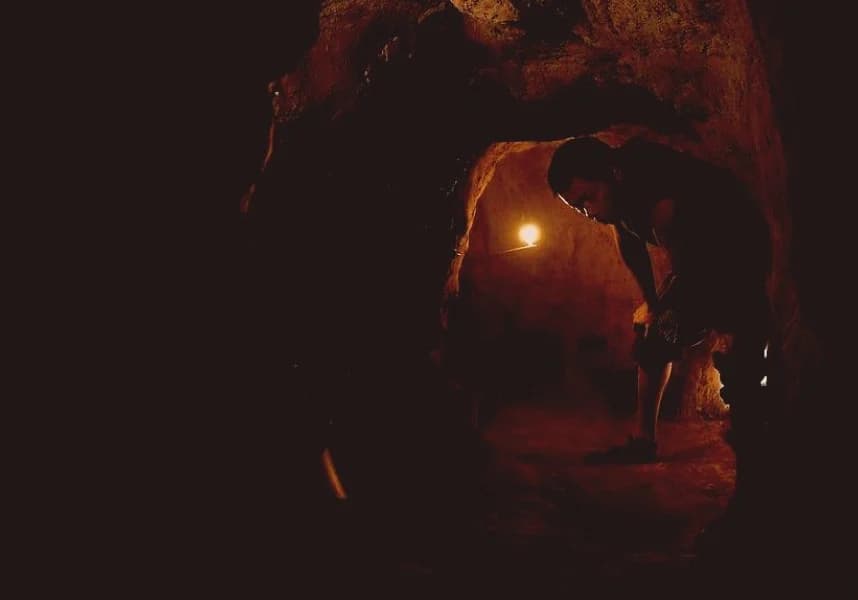
I hesitated for a moment before crouching down and slipping inside. Instantly, I was swallowed by the earth. The air was thick with humidity and the musty scent of clay. I had to stoop, crawl, and sometimes almost slither forward through the narrow passage. My heartbeat quickened — part fear, part fascination.
Inside, dimly lit chambers recreated life underground:
- A meeting room with bamboo tables and oil lamps
- A field hospital with a simple wooden bed
- And the famous Hoang Cam kitchen, ingeniously designed so that smoke dissipated through hidden vents, blending into the morning mist — invisible to enemy aircraft.
Each detail stunned me. How could humans design such a complex system in the midst of brutal war?
🥔 A Taste of Resilience
When I finally emerged back to the surface, drenched in sweat, I was offered a plate of boiled cassava with sesame salt — a humble meal that once sustained the soldiers. It was simple yet deeply symbolic. As I chewed, I imagined the young men and women who once lived beneath the soil, surviving on this food while defending their homeland.
Nearby, visitors could try the shooting range, firing real rifles at targets. The sharp crack of gunfire echoed through the trees — a chilling reminder of how loud and violent war must have been.
🌳 Reflections Above and Below
Standing under a towering tree, I looked down at the maze of tunnels beneath my feet. Above me, birds sang under the blue sky; below, an entire underground “city” once echoed with the sounds of life and survival.
Cu Chi Tunnels are not just a military site — they are a living monument to human creativity, endurance, and courage.
✨ Unique Experiences at Cu Chi Tunnels
Crawl through a 50–100m tunnel to truly feel the heat, darkness, and tight space.
Sit by the Hoang Cam stove and listen to stories about its smoke-hiding design.
Taste boiled cassava and green tea, a “flavor of history” you won’t forget.
Walk through the forest, hearing cicadas and reflecting on peace after hardship.
💡 Travel Tips
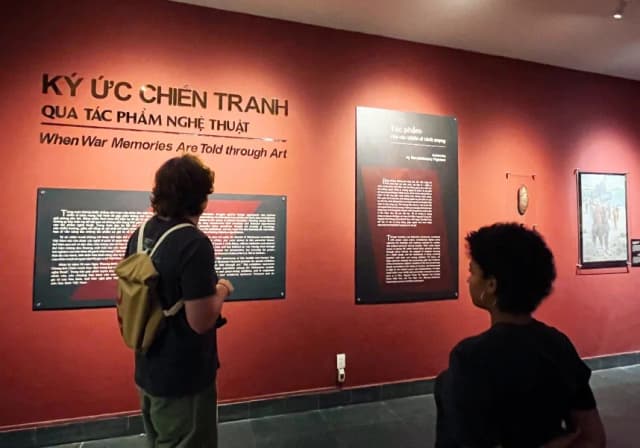
Spend at least half a day exploring — including the tunnels, museum, and documentary film.
Visit early morning or late afternoon to avoid the heat.
If traveling with children or seniors, choose the shorter tunnel sections to avoid claustrophobia.
🔑 Pro Tips
Wear comfortable shoes or sandals — the tunnels are narrow and sometimes slippery.
Bring a small water bottle, as you’ll sweat a lot after crawling underground.
Photography lovers: capture the tiny camouflaged trapdoors among the forest floor — truly iconic shots.
🌅 Leaving Cu Chi – Touching the Past, Cherishing the Present
As I left Cu Chi, I felt as if I had walked through a time portal. This wasn’t just sightseeing — it was an encounter with history itself.
The Cu Chi Tunnels remind every visitor of Vietnam’s extraordinary resilience — where people turned earth into shelter, fear into courage, and struggle into strength.
Frequently Asked Questions
What is the Hoang Cam kitchen in the Cu Chi Tunnels and why is it famous?
The Hoang Cam kitchen was an ingeniously designed underground cooking system where smoke was dissipated through hidden vents, blending into the morning mist so it became invisible to enemy aircraft overhead. This innovation allowed soldiers to cook food safely underground without revealing their position, and visitors today can sit by a recreated stove and hear stories about its clever design.
Can I taste wartime food at the Cu Chi Tunnels?
Yes, after emerging from the tunnels, visitors are offered boiled cassava with sesame salt and green tea, which is the same humble meal that once sustained Vietnamese soldiers living underground. This simple but symbolic food experience provides a tangible connection to wartime history and the resilience of those who survived on such basic provisions.
Is the Cu Chi Tunnels tour suitable for children and elderly visitors?
The Cu Chi Tunnels can accommodate visitors of different ages, but some tunnel sections are very narrow and may cause claustrophobia. For children or seniors, shorter tunnel sections are available that provide the underground experience without requiring extensive crawling. The above-ground museum, documentary film, and forest walking areas are accessible to all visitors.
How long should I spend at the Cu Chi Tunnels for a complete visit?
Plan to spend at least half a day exploring the Cu Chi Tunnels, which includes crawling through 50-100 meter tunnel sections, visiting the museum and watching the documentary film, trying the shooting range, and walking through the surrounding forest. Visiting early morning or late afternoon is ideal to avoid the heat.
Conclusion
If Hanoi is the cultural heart and Hue is the soul of history, then Cu Chi is the pulse of Vietnam’s endurance — silent yet unbreakable.
Comments (0)