🏝️ Top 10 Must-Visit Destinations in Central Vietnam: A Journey Through Heritage, Mountains & Sea
Central Vietnam is a land where rivers meet the sea, mountains kiss the clouds, and centuries-old culture thrives in every corner. My journey began from the vibrant coastal cities, wandered through moss-covered ancient towns, crossed majestic highlands, and ended on tranquil islands surrounded by emerald seas. Each destination felt like a living chapter of a grand story — a blend of history, nature, and the warmth of Central Vietnamese people.
Central Vietnam >>
1. Hội An – The Timeless Lantern Town
Discover Hoi An – The Timeless Lantern Town >>
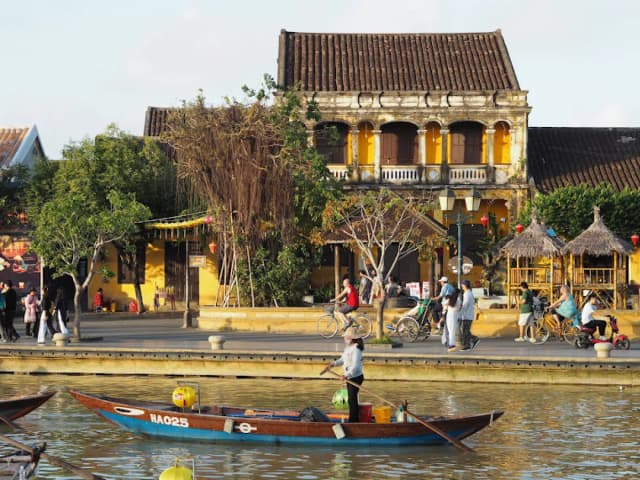
I arrived in Hội An at dusk, when the golden sunlight gently lit the mossy rooftops and hundreds of colorful lanterns began to glow. The old town was peaceful yet vibrant with local life. I strolled through craft shops, tasted a steaming bowl of cao lầu, and watched the sunset shimmer on the Thu Bồn River.
Highlights: Join a traditional lantern-making class, take photos under glowing lanterns, and dine in centuries-old houses.
Travel Tip: Spend 2–3 days exploring the old town, take a river cruise, and stay in a cozy riverside homestay.
Local Secret: Visit at night — the Japanese Bridge glowing under lantern reflections is pure magic.
2. Đà Nẵng – The Modern Coastal Gem
Discover Da Nang – The Modern Coastal Gem >>
Đà Nẵng greeted me with My Khe Beach’s soft white sand and crystal-clear waves. I walked along the shore at sunrise, listening to the gentle surf. At night, the Dragon Bridge dazzled with fire and water shows. The city felt both modern and deeply connected to nature.
Highlights: Fresh seafood dining, Son Tra Peninsula views, and panoramic photos from the mountain top.
Travel Tip: Spend 2–3 days mixing beach time with local sightseeing.
Local Secret: Swim in the morning, then head to Son Tra at sunset for stunning light and fewer crowds.
3. Huế – The Imperial City of Serenity
Discover Hue – The Imperial City of Serenity >>
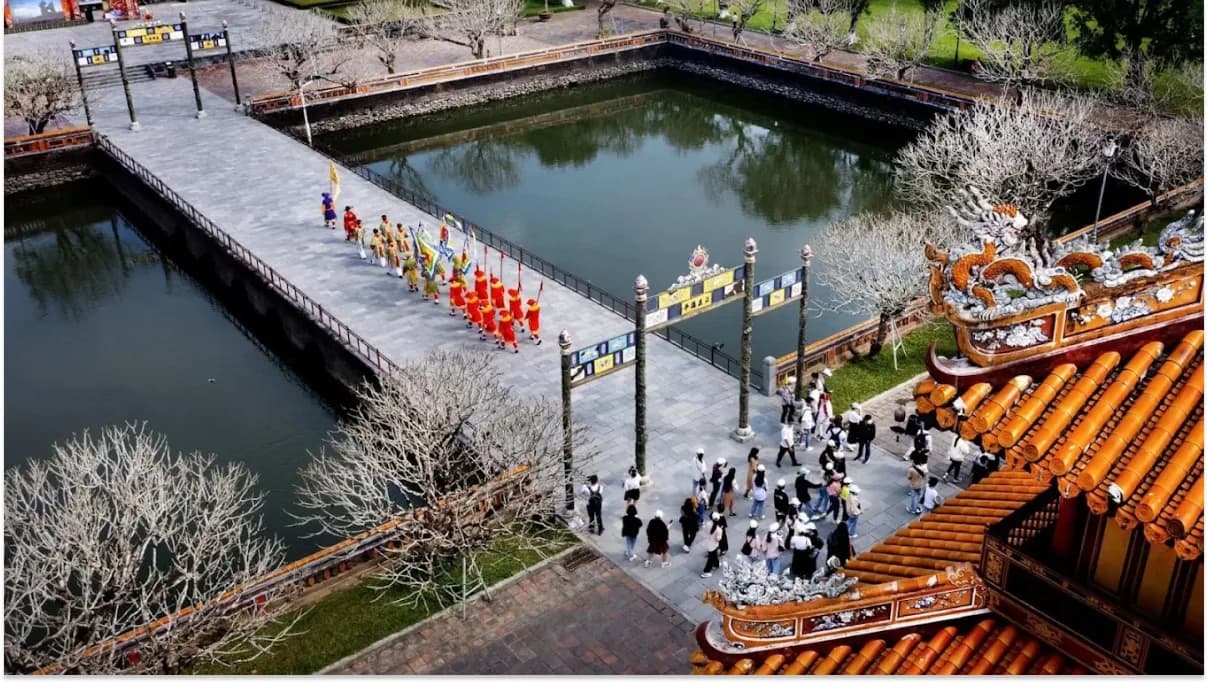
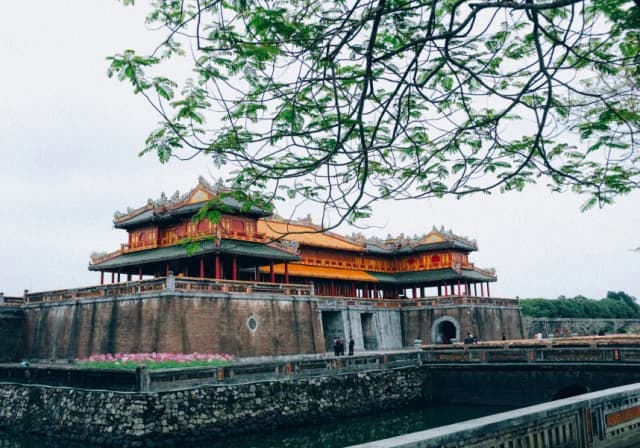
Huế unveiled its charm with the tranquil Perfume River, ancient bridges, and grand royal tombs. I cruised along the river, passing Truong Tien Bridge and watching the Imperial Citadel rise in the distance. Inside the citadel, mossy corridors and timeworn gates whispered stories of emperors and poets.
Highlights: Visit the Imperial City, Minh Mang’s Tomb, and Khai Dinh’s Tomb. Try bún bò Huế and royal-style dishes.
Travel Tip: Spend at least two days exploring and start early in the morning for soft light and quiet scenes.
Local Secret: Hire a local guide — their stories bring the Nguyen dynasty’s grandeur to life.
4. Quảng Bình – Where Earth Meets Wonder
Discover Quang Binh – Where Earth Meets Wonder >>
Quảng Bình is home to the planet’s largest cave — Sơn Đoòng. Though I didn’t enter the main chamber, I joined a guided trek through smaller caves filled with giant stalactites and underground rivers. Every echo and shimmer of light felt otherworldly.
Highlights: Explore Sơn Đoòng, Hang Én, or Paradise Cave with experienced guides.
Travel Tip: Book tours early, pack proper footwear, and prepare for humidity.
Local Secret: Catch the light beams shining through cave openings for surreal photos.
5. Quy Nhơn – Turquoise Bays & Hidden Islands
Discover Quy Nhon – Turquoise Bays & Hidden Islands >>
Quy Nhơn welcomed me with sunshine, gentle waves, and tranquil fishing villages. I took a boat to the nearby islands, swam in crystal waters, and rested on soft white sand. Eo Gió and Kỳ Co were postcard-perfect — raw, wild, and soothing.
Highlights: Snorkeling, kayaking, and seafood feasts in coastal villages.
Travel Tip: Spend two days exploring beaches and islands.
Local Secret: Rent a private boat to visit less crowded spots — perfect for photography.
6. Phong Nha – The Fairyland of Caves
Discover Quang Binh – The Fairyland of Caves >>
Phong Nha is a realm of natural wonders. I rowed into the Dark Cave, where stalactites glistened like crystals. The quiet hum of underground rivers felt like nature’s lullaby.
Highlights: Visit Dark Cave, Paradise Cave, and the famous Sơn Đoòng.
Travel Tip: Wear anti-slip shoes and bring a flashlight.
7. An Bàng Beach – Hội An’s Seaside Escape
Just a few kilometers from Hội An, An Bàng Beach offered calm waves, soft sand, and a peaceful coastal vibe. I walked barefoot at sunset, enjoying seafood while the horizon turned golden.
Highlights: Swimming, relaxing, and seafood dining by the sea.
Travel Tip: Visit early morning or sunset for the best light and cooler temperatures.
8. Tam Kỳ – The Soul of Local Craft Villages
Tam Kỳ charmed me with its traditional craft villages. I wandered between pottery workshops and mat-weaving houses, chatting with artisans. The earthy smell of clay and dyed fabric filled the air — warm, rustic, and real.
Highlights: Learn to make handicrafts and taste Quảng Nam’s local dishes.
Travel Tip: Spend half a day exploring and interacting with locals.
9. Mỹ Sơn Sanctuary – The Lost Kingdom of Champa
Discover My Son – The Lost Kingdom of Champa >>
Mỹ Sơn, the ancient site of the Champa civilization, felt like stepping back a thousand years. I wandered among red-brick towers surrounded by jungle, imagining the rituals once held here.
Highlights: Ancient towers, Cham architecture, and historical photography.
Travel Tip: Go early morning to avoid heat and crowds.
Local Secret: Bring a hat and plenty of water — there’s minimal shade.
10. Lý Sơn Island – The Island of Garlic & Volcanoes
Discover Ly Son Island – The Island of Garlic & Volcanoes >>
My journey ended at Lý Sơn, an island formed by ancient volcanoes. I rode a motorbike around the island, stopped by the Tò Vò Gate, and watched the sunset melt into the sea. Fields of garlic stretched to the horizon, filling the air with a distinct, earthy scent.
Highlights: Motorbike around the island, swim in crystal waters, and enjoy fresh seafood.
Travel Tip: Spend 2 days here — stay in a homestay for a true local vibe.
Frequently Asked Questions
How many days do you need to explore Central Vietnam’s top destinations?
You should plan at least 10 to 14 days to explore Central Vietnam’s top destinations thoroughly. Spend 2 to 3 days each in Hoi An and Hue, 2 to 3 days in Da Nang, and allow extra days for Quang Binh’s caves, Quy Nhon’s beaches, My Son Sanctuary, and Ly Son Island. A shorter 7-day itinerary can cover the main highlights of Hoi An, Da Nang, and Hue.
What is the best time to visit Central Vietnam?
The best time to visit Central Vietnam is from February to August, when the weather is warm and dry with less chance of rain. Avoid September to November, which is typhoon season with heavy rainfall that can disrupt travel plans. Early mornings and late afternoons offer the best light for photography at most destinations.
Can you visit Son Doong Cave in Quang Binh and how much does it cost?
Son Doong Cave, the world’s largest cave, requires a multi-day guided expedition that must be booked well in advance due to limited permits. However, Quang Binh offers many other accessible caves including Paradise Cave, Dark Cave, and Hang En that can be explored on shorter guided treks. Book tours early and pack proper footwear for the humid cave conditions.
What local food should I try in Central Vietnam?
Central Vietnam has some of the country’s most distinctive cuisine. In Hoi An, try cao lau noodles, Phuong banh mi, and chicken rice. In Hue, sample bun bo Hue (spicy beef noodle soup) and royal-style dishes. Da Nang is famous for Mi Quang noodles and fresh seafood, while Quy Nhon offers incredible coastal seafood feasts in fishing villages.
Is Ly Son Island worth visiting and how do you get there?
Yes, Ly Son Island is a hidden gem formed by ancient volcanoes, offering unique landscapes like the To Vo Gate, garlic fields stretching to the horizon, and beautiful sunsets over the sea. You can reach it by speedboat from Sa Ky port in Quang Ngai province. Plan to spend at least 2 days and stay in a local homestay for an authentic island experience.
Conclusion
Central Vietnam is a masterpiece of contrasts — blue seas, emerald mountains, mossy ancient towns, and centuries-old culture. From the glowing lanterns of Hội An to Huế’s royal charm, from the mysterious caves of Quảng Bình to Lý Sơn’s volcanic coasts — every destination tells a story worth living.
Take your time, slow down, taste local dishes, and let Central Vietnam reveal its timeless soul — serene, poetic, and full of life.
Comments (0)